
+86 186 5928 0806
Have you ever wondered how the toilet paper we use every day is produced? It might seem like a simple product, but the process behind its creation is a marvel of engineering and precision. At the heart of this process is the Yankee dryer, a core component of the paper machine that plays a crucial role in shaping the quality and efficiency of toilet paper production.
Toilet paper is not just a roll of soft paper; it's the result of a highly complex and intricate manufacturing process. The specialized equipment used for producing toilet paper comprises five major systems: pulp equipment, wet-end system, paper machine, water sieving and slag removal, and pulp. These systems work in tandem, integrating advanced technology such as ATMOS (Advanced Toilet Paper Forming Technology) and traditional air-through drying technology (TAD). This technology might sound technical and puzzling, but we can simplify the process by focusing on a specific and critical piece of equipment - the Yankee dryer.
The Yankee dryer is an integral component of the paper machine, situated in the drying section, one of the nine key parts in the papermaking system. Its primary function is to dry and calender the paper as it passes through. This seemingly simple task holds immense importance as it directly influences production efficiency and the overall quality of toilet paper.
The Yankee dryer is not a basic piece of equipment; it boasts a complex structure that includes:
Manufacturing a Yankee dryer is no simple task. Due to factors like rotation speed, pressure, and temperature, achieving the required roundness of the cylinder and managing the machining process are significant challenges. However, innovative approaches, advanced equipment, well-developed machining plans, and reliable logistics solutions ensure that these hurdles are overcome efficiently.
Recently, Openex had the privilege of witnessing a significant Yankee dryer project firsthand. This large Yankee dryer, designed by a leading global papermaking equipment supplier and destined for a paper mill in Portugal, measures an impressive 6.2 meters in length, 5.6 meters in width, and 5.9 meters in height. The client's expectations for this project were high, encompassing aspects such as project management, product quality, and logistics solutions.
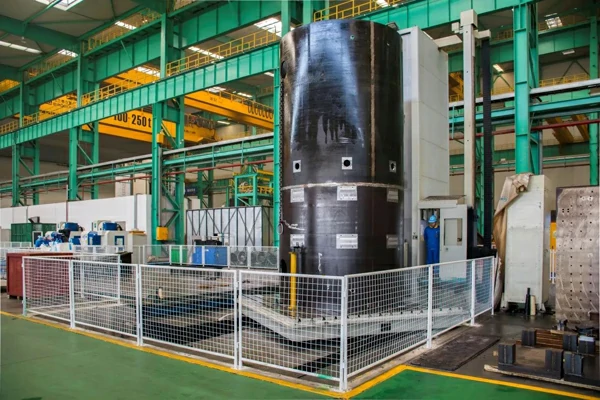
The project faced several technical challenges due to the demanding requirements of the Yankee dryer. Advanced machinery and meticulous quality control measures were put in place to ensure the cylinder's roundness and maintain precision throughout the manufacturing process. The project's focus on precision received acclaim from the client, highlighting the excellence of the production process.
The stable and efficient production of the Yankee dryer is not just a testament to technical prowess but also a significant contribution to reducing investment and production costs for papermakers. The paper industry involves a collaborative effort, with numerous businesses throughout the entire industry chain working together to provide consumers with high-quality and affordable products. The seemingly straightforward act of producing a toilet paper roll is, in reality, a highly intricate and specialized endeavor.
In addition to Yankee dryer machining, Openex offers a range of machining services for various components used in the papermaking industry. These include large segmental tank heads, scanning frames, chests, cylinders, tube sheets, screens, and supports, among others. If you have any related machining needs or are looking to enhance the efficiency of your papermaking processes, please don't hesitate to contact us.
The papermaking industry relies on a complex and interconnected network of machinery and equipment to transform raw materials into the paper we use every day. One critical component of this process is the fabrication of pipelines that transport various substances throughout the paper mill. These pipelines are essential for the efficient and continuous production of high-quality paper.
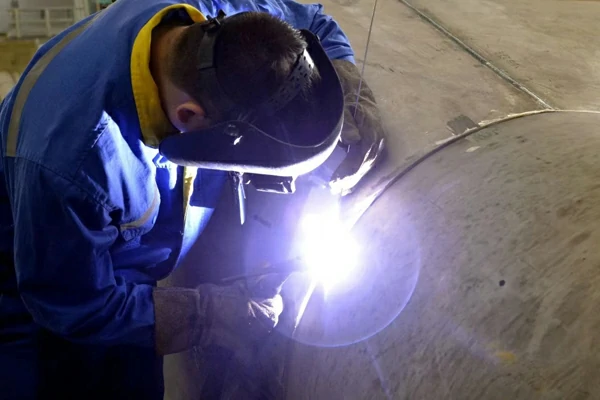
Pipelines play a crucial role in the papermaking industry, serving as the arteries that transport materials such as water, pulp, chemicals, and steam throughout the mill. Efficient pipeline systems ensure the smooth and uninterrupted flow of these substances, enabling the production of paper to proceed without interruptions. Properly fabricated pipelines are essential for several reasons:
The quality of pipelines in the papermaking industry is paramount. Inferior pipelines can lead to leaks, contamination, and inefficient operations. Properly fabricated pipelines ensure smooth and continuous material flow, leading to enhanced production rates and reduced downtime.
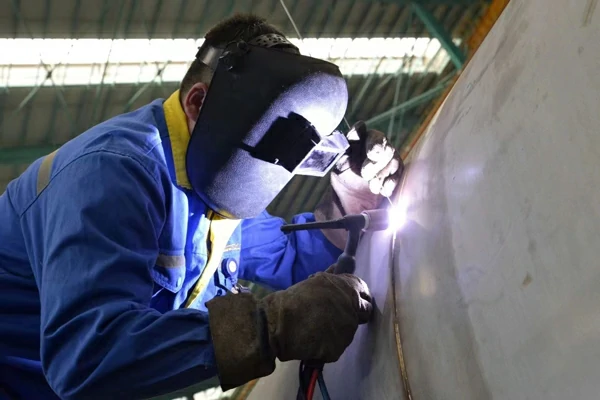
At Openex, we pride ourselves on being a reliable partner in a variety of industries. Our recent project in fabricating pipelines for the papermaking industry exemplifies our commitment to delivering top-quality solutions that meet and exceed industry standards.
If you need pipelines fabrication or any other metal components fabricaiton, do not hesitate to reach out to us. Contact us today to discuss your project and discover how we can leverage our expertise in metal fabrication to enhance your business.
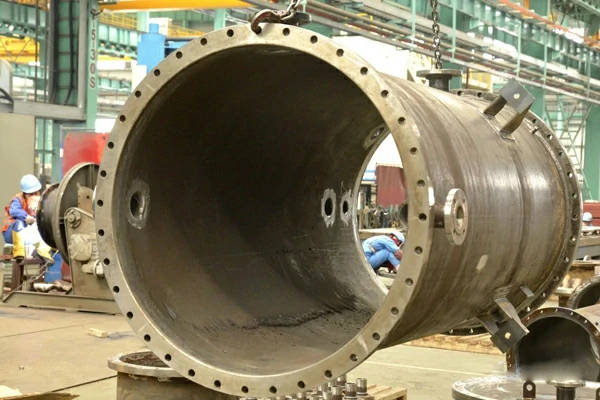
A few days ago, a project was completed in the world of pressure vessel fabrication. The complex project involving the fabrication of chemical towers was not only successfully completed, but it also left a lasting impression on the customer, who appreciated both the quality of the product and the timely delivery.
The project encompassed the fabrication of 4 tail gas absorption towers and 8 bromine water washing towers, each with stringent requirements concerning overall dimensions and weld seams. One of the most significant challenges we encountered was the urgency of the delivery date. The combination of intricate designs, tight schedules, and the substantial volume of welding and grinding required posed a formidable test to our production capabilities.
In the face of these challenges, our dedicated production and technical teams came together to strategize and formulate an action plan. The heart of our approach was centered around improving the welding process, optimizing the quality of weld seams, minimizing the grinding process, and enhancing overall production efficiency.
To ensure that the project met the high-quality standards, we decided to refine our welding process. This entailed employing advanced welding techniques and leveraging state-of-the-art equipment. Welders received additional training and were provided with the latest tools to enhance precision and reduce the likelihood of errors. As a result, the welding process became not only more accurate but also more efficient.
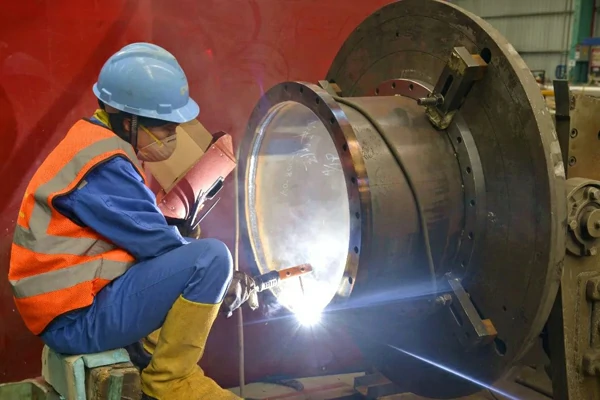
One of the customer's primary concerns was the quality of weld seams. Achieving clean and sturdy welds was essential for the structural integrity of the chemical towers. We implemented rigorous quality control measures, including non-destructive testing (NDT) techniques to identify any potential defects or discrepancies in the welds. The implementation of these measures not only improved the overall quality of the towers but also reduced the need for excessive grinding.
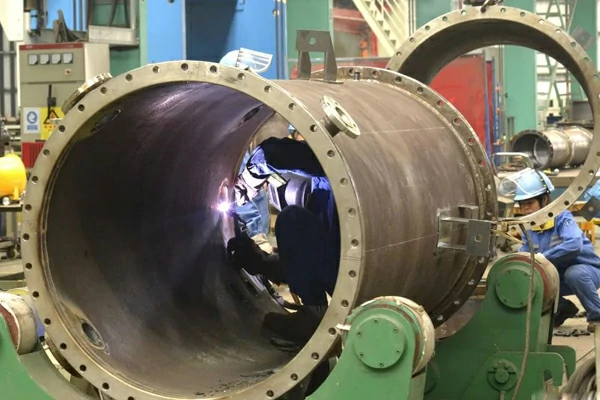
The amount of grinding required was a significant concern, as it not only consumed time but also increased the chances of compromising the structural integrity of the chemical towers. To mitigate this issue, we introduced precision machining processes to ensure that weld seams were as close to perfect as possible. The reduced need for grinding significantly expedited the production process.
Efficiency was a key factor in meeting the tight delivery schedule. By streamlining our production process, we minimized downtime and maximized output. This involved the careful planning of each step in the fabrication process, from material sourcing to final inspection. Our meticulous approach led to a smoother and more efficient workflow, ensuring that the project stayed on track.
The culmination of these efforts was a successful and timely completion of the chemical towers. The project was not only delivered ahead of schedule but also exceeded the customer's expectations in terms of quality and precision. The tail gas absorption towers and bromine water washing towers were ready to be put into service, serving their intended purpose effectively and safely.
The successful completion of this pressure vessel fabrication project was a testament to the dedication, innovation, and collaboration of our production and technical teams. By addressing the challenges head-on and implementing improvements in welding, quality control, and production efficiency, we were able to meet the customer's high standards and tight delivery schedule. We take pride in our commitment to delivering excellence in pressure vessel fabrication.
At Openex, we are always ready to take on new challenges and deliver the highest quality products. If you have a pressure vessel fabrication project or any other related needs, don't hesitate to get in touch with us. We are here to provide top-notch solutions for your industrial requirements.
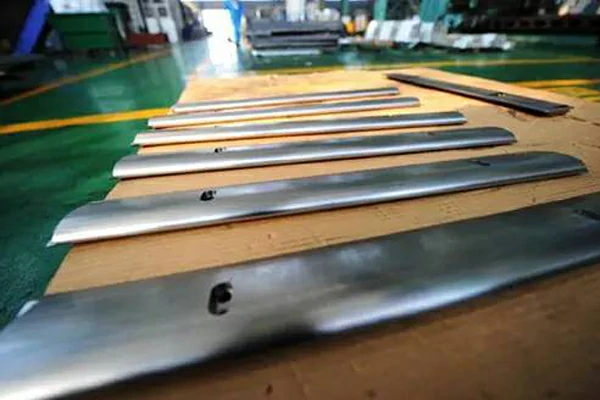
Recently, we successfully completed the machining of pulper rotor blades for a papermaking project, garnering full recognition and appreciation from our customers.
The pulper rotor blades are a crucial component in the papermaking process, responsible for breaking down raw materials into pulp. To meet the demands of our customer, we employed 2205 stainless steel for the production of these blades. While this material is renowned for its exceptional corrosion resistance and strength, it presents certain challenges during machining due to the internal forces that can cause deformation.
Before diving into the machining process, it was imperative to understand the characteristics of 2205 stainless steel. This duplex stainless steel consists of both austenitic and ferritic phases, which makes it exceptionally durable. However, it is precisely this dual-phase composition that can lead to internal forces and deformation during machining.
To combat the potential deformations, our team of experts conducted a meticulous study of the material and formulated a targeted solution. Here's how we overcame the challenge:
With meticulous planning, precision machining, and quality control measures in place, Openex successfully completed the machining of the pulper rotor blades. The final products not only met but exceeded the customer's expectations in terms of quality, durability, and performance. The customer was delighted with the outcome, recognizing the dedication and expertise that Openex brought to the project.
At Openex, we thrive on taking on challenging projects and delivering exceptional results. If you have a metal fabrication project that demands expertise, innovation, and precision, we are here to assist you.
Contact us today to discuss your project requirements, and let us demonstrate how Openex can be your trusted partner in achieving excellence in metal fabrication. Together, we can turn your ideas into reality and make your projects a resounding success.
Remember, at Openex, we don't just fabricate metal; we craft excellence.
When we think of manufacturing, we often picture high-tech machines, assembly lines, and complex engineering processes. However, at the heart of many manufacturing industries lies a fundamental component – metal parts. Metal parts are the unsung heroes of countless products we encounter in our daily lives, from automobiles and electronics to household appliances and even aerospace technology.
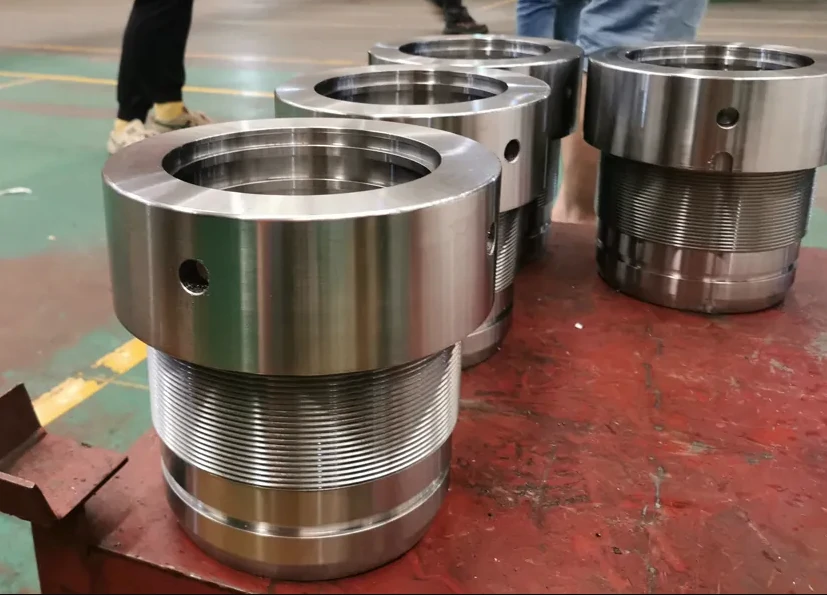
Metal parts serve as the building blocks for most mechanical devices and structures. They are used to create the framework, joints, and connectors that make everything from your smartphone to a skyscraper function as intended. The importance of metal parts in manufacturing cannot be overstated, as they form the backbone of various industries. Let's explore why they are so crucial:
Metals are known for their remarkable strength and durability. This makes them ideal for parts that must withstand high stresses, heavy loads, and harsh environmental conditions. From the chassis of a car to the framework of a bridge, metal parts provide the structural integrity required for safety and long-term performance.
Manufacturing processes for metal parts are highly sophisticated and precise. Computer Numerical Control (CNC) machining, 3D printing, and other advanced techniques allow for the creation of intricate and complex components with exacting tolerances. This precision is essential for applications where even the slightest deviation can lead to malfunction or failure.
Many metals exhibit excellent heat resistance properties. This is crucial for applications involving high temperatures, such as jet engines, industrial ovens, and rocket propulsion systems. Metal parts can withstand extreme conditions without deforming or losing their structural integrity.
Metals are excellent conductors of electricity and heat. This property is utilized in various applications, from electrical wiring to heat sinks in electronic devices. The ability to efficiently transmit heat and electrical signals is pivotal for optimal device performance.
While some metals are prone to corrosion, others, like stainless steel and aluminum, are known for their corrosion resistance. This makes them suitable for outdoor applications and in environments where exposure to moisture and chemicals is common.
The world of metal parts is vast and encompasses a wide range of applications. Here are some key areas where metal parts play a crucial role:
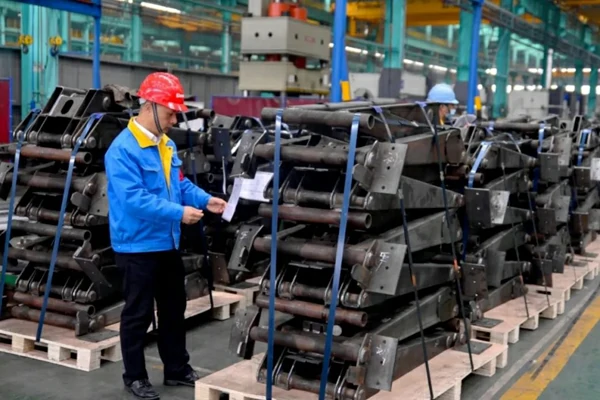
As technology and materials science continue to advance, the world of metal parts is also evolving. The development of new alloys, surface treatments, and manufacturing techniques is expanding the possibilities for metal parts in various industries. Additionally, the push for sustainability has led to the exploration of lightweight materials, including aluminum and titanium, to reduce energy consumption and improve fuel efficiency in transportation.
In conclusion, metal parts are the unsung heroes of the manufacturing world. Their importance in creating safe, reliable, and efficient products cannot be overstated. As we continue to push the boundaries of technology and engineering, metal parts will remain at the forefront of innovation, enabling us to create ever more advanced and sophisticated products. The next time you pick up your smartphone or drive your car, remember the integral role that metal parts play in making it all possible.
As a professional metal parts fabrication company, we understand the pivotal role that metal components play in various industries, and we take great pride in being a part of this dynamic and ever-evolving sector. Our commitment to precision engineering, quality, and innovation drives us to meet the diverse needs of our clients. In the following sections, we will discuss our approach to metal parts fabrication, our capabilities, and the value we bring to our clients.
At Openex, we are dedicated to delivering metal parts that exceed our clients' expectations. Our approach to metal parts fabrication revolves around the following core principles:
Precision is paramount in the world of metal fabrication. We employ cutting-edge technology and highly skilled professionals to ensure that each component we produce adheres to strict tolerances and quality standards. This unwavering commitment to precision is what sets us apart in the industry.
With a wide range of metals at our disposal, we have the expertise to recommend the most suitable materials for each project. Whether it's stainless steel, aluminum, titanium, or specialty alloys, we understand the unique properties of each material and how to leverage them for optimal results.
No two projects are exactly alike, and we recognize the importance of tailored solutions. We work closely with our clients to understand their specific needs and design custom metal parts that align with their goals, whether it's for automotive, aerospace, electronics, construction, or any other industry.
We are committed to environmental responsibility and sustainability. As the world looks toward more eco-friendly manufacturing practices, we actively explore ways to reduce waste, conserve energy, and employ materials and techniques that have a smaller environmental footprint.
Openex boasts a wide array of capabilities to meet the diverse demands of our clients. Some of our core competencies include:
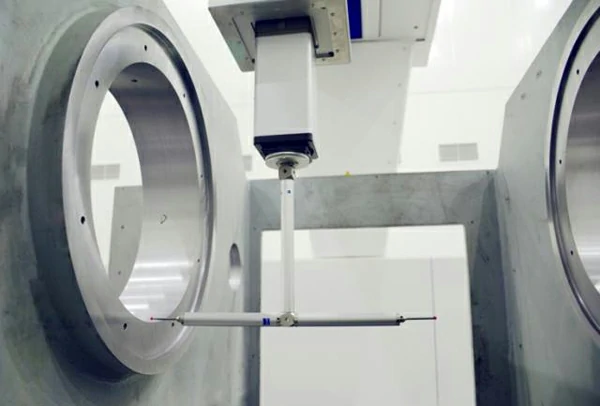
Collaborating with us for your metal parts fabrication needs means benefiting from our expertise, commitment to excellence, and dedication to delivering superior products. When you choose us, you can expect:
In the ever-evolving world of metal parts fabrication, Openex is your trusted partner for delivering excellence, innovation, and quality. Contact us today to discuss your project, and let us demonstrate how we can add value to your business through our expertise in metal parts fabrication.
Machining is an age-old manufacturing process that has evolved significantly over the years. From its humble beginnings as a manual craft to today's advanced computer-controlled systems, machining has grown into a versatile and powerful technique that underpins modern industry.
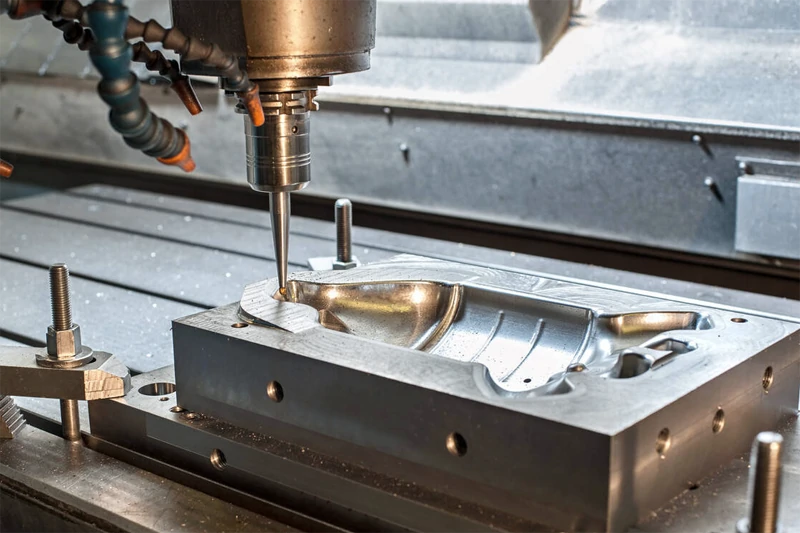
Machining can be traced back to ancient times when human ingenuity led to the creation of simple tools for shaping and crafting various materials. These early tools included hand-held chisels, saws, and drills, which were operated manually. The Industrial Revolution in the 18th century marked a turning point in the history of machining, as it brought about the development of mechanized and automated machining processes.
One of the most iconic moments in the history of machining was the invention of the lathe, often attributed to the ancient Egyptians. The lathe revolutionized the way objects were crafted and allowed for the creation of intricate and precise parts. With the advent of the computer age, machining entered a new era, driven by digital technology and automation.
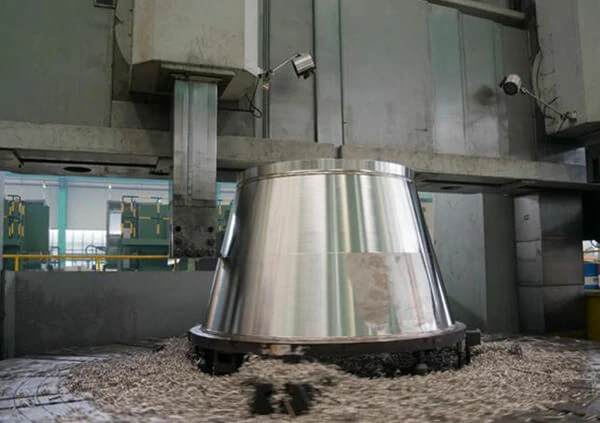
Machining encompasses a wide range of techniques and processes, each tailored to specific applications and materials. Some of the most common machining methods include:
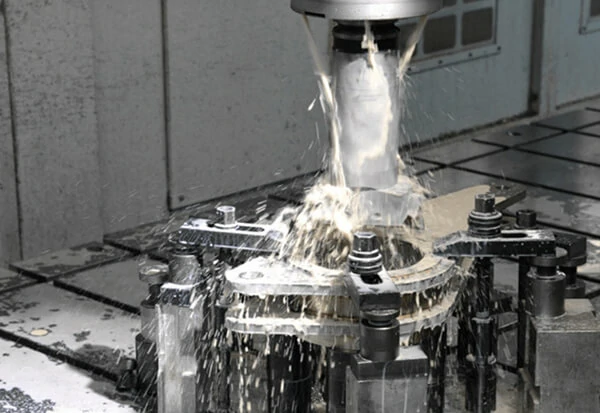
Machining plays a crucial role in the manufacturing of a wide array of products across various industries. Some of the industries that benefit from the limitless capabilities of machining include:
One of the most significant advancements in machining technology is the widespread adoption of CNC machines. CNC machining, short for Computer Numerical Control machining, revolutionized manufacturing by automating processes and improving precision. Here's how CNC machining has transformed modern industry:
The world of machining is continually evolving, driven by technological advancements and innovative ideas. Some of the latest trends and innovations in machining include:
The future of machining holds exciting possibilities. As technology continues to advance, we can expect even greater precision, efficiency, and versatility in machining processes. Here are a few areas where machining is likely to make significant strides:
While the capabilities of machining are limitless, there are also challenges and considerations to keep in mind as the field continues to evolve:
Machining is a foundational technology that has been instrumental in shaping the modern world. Its limitless capabilities and applications across various industries continue to drive innovation and progress. As we look to the future, machining is poised to play a central role in addressing the challenges and opportunities presented by technological advancements, sustainability goals, and the exploration of new frontiers in space and medicine.
The relentless pursuit of precision, efficiency, and customization ensures that machining remains at the forefront of modern manufacturing. The ongoing collaboration between skilled machinists, engineers, and technologists will enable us to harness the full potential of this ancient yet ever-evolving craft, ultimately benefiting society and driving progress in all aspects of life. As we continue to unleash the power of machining, the possibilities are truly limitless, and the future is bright for this fundamental technology.
As a professional machining company, staying at the forefront of the industry and providing value to our customers would be our top priorities. Here are the key strategies and actions we would take to ensure success in this dynamic field:
By implementing these strategies, a professional machining company can position itself as a leader in the industry, providing high-quality, innovative, and sustainable solutions to a wide range of industries while ensuring long-term success and growth.
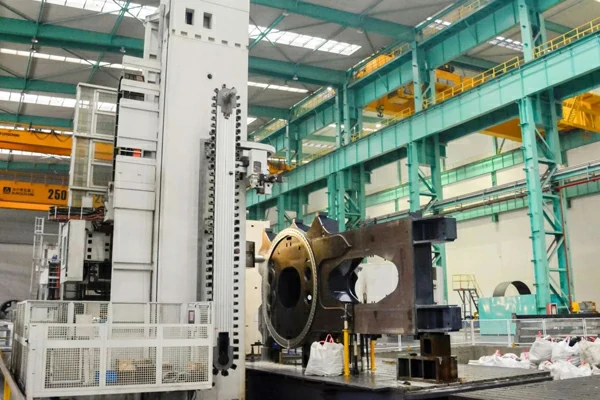
At Openex, we take pride in being your trusted partner for all your machining needs. When you choose us, you're choosing excellence, efficiency, and a world of possibilities.
Ready to turn your vision into reality? Whether you're in aerospace, automotive, medical, electronics, or any other industry, Openex is your go-to source for precision machining. Reach out to us today to discuss your project, request a quote, or inquire about our services. We're here to bring your ideas to life and deliver excellence in every component.
Contact us at sales3@openex.com.cn and discover the machining partner you've been searching for. Let's create exceptional solutions together!
In the world of manufacturing, timely delivery and uncompromising quality are the keys to success. Recently, our company provided bending parts fabrication services for a renowned shipbuilding enterprise. In several batches, we delivered bending parts ranging from 10 to 35 millimeters in thickness, showcasing our commitment to fast delivery and high-quality products. This endeavor not only met but exceeded customer expectations, earning us their full recognition and praise.
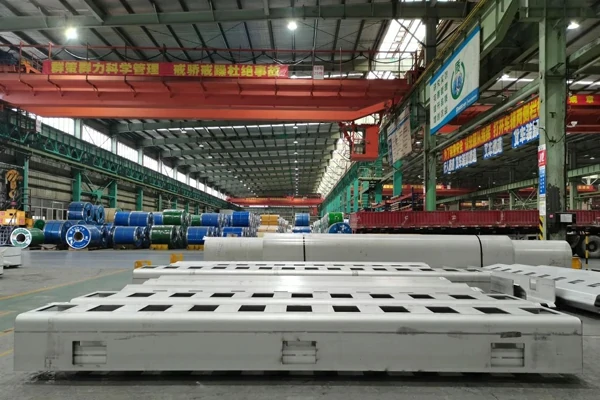
The project presented us with a set of challenges. The bending parts ranged in thickness from 10 to 35 millimeters, requiring precision and expertise to ensure they met the stringent quality standards expected in the shipbuilding industry. Furthermore, the client specified an extremely tight deadline of just two days for delivery.
Meeting such a deadline would be a formidable task for most, but our team was up for the challenge. It was a testament to our dedication to customer satisfaction and our belief in the capabilities of our workforce.
To meet the customer's delivery date and maintain our commitment to quality, we undertook a meticulous planning process. Our bending group, in conjunction with the related teams, set out to design a processing plan that would not only fulfill the deadline but also uphold safety and quality standards.
One of the key factors that contributed to our success was the adjustment of shifts. Our team recognized the importance of a continuous workflow to meet the stringent timeline. This meant working around the clock to ensure that the bending parts were fabricated without delays. This dedication to delivering on time demonstrated our commitment to our customers and their trust in our services.
Additionally, our team leveraged the performance advantages of our cutting and bending equipment. We invested in state-of-the-art machinery that not only increased efficiency but also enhanced the precision and quality of our products. Skilled operators, with their years of experience, played a pivotal role in utilizing this equipment to its fullest potential.
While meeting the customer's delivery date was crucial, we never wavered in our commitment to safety and quality. Our team rigorously followed industry standards and best practices to ensure that every bending part was not only fabricated on time but also met the highest quality standards.
Each part underwent a thorough quality control process, with inspections at various stages of fabrication. This attention to detail allowed us to identify and rectify any issues promptly, ensuring that only the finest products were delivered to our customer.
The culmination of our efforts was met with resounding approval from our customer. They recognized the dedication, expertise, and hard work that went into meeting their stringent requirements. Not only did we deliver the bending parts on time, but we also exceeded their expectations in terms of quality. Their acknowledgment and praise reaffirmed our commitment to excellence.
This project serves as a testament to our dedication to customer satisfaction and our unwavering commitment to delivering high-quality products on time. We are proud to have played a part in the success of our customer's shipbuilding endeavors and look forward to more opportunities to showcase our expertise in bending parts fabrication.
Contact us today and let us show you how our dedication to excellence can benefit your projects. We look forward to partnering with you and delivering exceptional results.
As a trusted metal fabricator, we take pride in our ability to meet and exceed the unique needs of our clients. Recently, we were working on an energy project for a renowned company in Italy, where we custom-fabricated hot boxes weighing a staggering 140 tons. This hot box serves as a crucial component in their energy infrastructure, bridging the gap between the condenser and the low-pressure cylinder for efficient heat exchange.
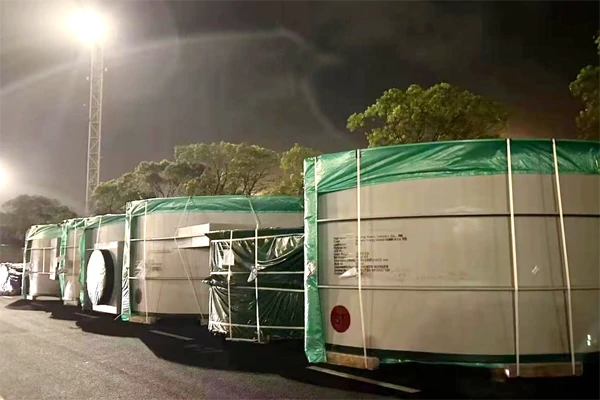
Before we dive into the details of the custom fabrication process, let's understand the significance of the hot box in the context of the energy project. In a power plant, especially those using steam turbines, heat exchange is a fundamental process. The hot box plays a pivotal role in this process, serving as a bridge between the condenser and the low-pressure cylinder. Its primary function is to facilitate the transfer of heat energy from the condenser to the low-pressure cylinder, where it can be effectively converted into mechanical work to generate electricity.
To ensure the durability and longevity of the hot box in this demanding application, we opted for carbon steel as the material of choice. Carbon steel is renowned for its exceptional strength, corrosion resistance, and suitability for high-temperature environments. These qualities make it ideal for withstanding the extreme conditions that a hot box must endure.
The fabrication of a 140-ton hot box is no small feat, and it required a high level of precision and expertise. Here's an overview of the key steps involved in the custom fabrication process:
Fabrication hot boxes of this size and complexity presented several challenges. The sheer size and weight of the hot box required us to employ specialized lifting and transportation equipment. Additionally, adhering to strict dimensional tolerances and maintaining structural integrity demanded the utmost attention to detail. Our experienced team rose to the occasion, demonstrating their expertise and dedication to delivering a superior product.
The successful completion and shipment of this 140-ton custom-fabricated hot box to Italy underscore our commitment to excellence in metal fabrication. We are proud of being a part of projects that contribute to advancements in energy infrastructure and sustainability. Our meticulous approach to engineering and fabrication ensures that every component we produce meets the highest industry standards.
If you have a fabrication project or require our expertise in metal fabrication, please do not hesitate to reach out to us. Contact us today and discover the limitless possibilities of custom metal fabrication.
At Openex, we are proud of our ability to tackle complex challenges in the realm of pressure vessel fabrication. Our latest collaboration with BASF, a global chemical giant, serves as a shining example of our commitment to excellence in engineering and manufacturing. In this project case study, we'll delve into the details of our partnership with BASF and the journey of creating custom large stainless steel pressure vessels tailored to their specific requirements.
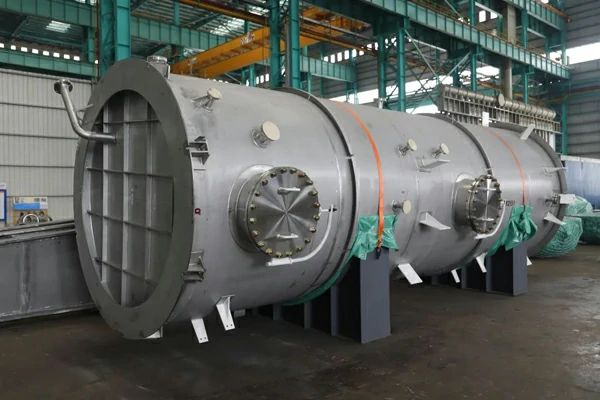
BASF, a frontrunner in the chemical industry, approached us with a unique challenge. They needed custom-made pressure vessels to support their intricate chemical processes. These vessels would play a pivotal role in maintaining the integrity and safety of their operations. BASF had already designed the vessels, and our task was to turn their designs into reality.
The first step in this project was to thoroughly review BASF's design specifications. The vessels had to be constructed from high-quality stainless steel to withstand the corrosive nature of the chemicals involved. Additionally, they needed to adhere to strict industry regulations and standards, ensuring the utmost safety and reliability.
Our team of experienced engineers meticulously examined every aspect of the design to ensure that it met all necessary criteria. We collaborated closely with BASF's engineers, holding regular meetings to address any questions or concerns. This collaborative approach was essential in ensuring that the final product would not only meet but exceed their expectations.
Selecting the right materials for this project was critical. Stainless steel was the obvious choice due to its exceptional resistance to corrosion and its ability to withstand high-pressure environments. We worked closely with BASF's team to determine the specific grade of stainless steel that would be best suited for their needs.
With the design and materials in place, we began the fabrication process. Our state-of-the-art facility was equipped to handle large-scale projects like this one. Precision cutting, welding, and quality control were essential in production.
One of the unique challenges in this project was the intricate geometry of the vessels, which required advanced welding techniques and specialized equipment. Our highly skilled welders and technicians were up to the task, ensuring that every weld met the highest industry standards.
At Openex, we take quality assurance seriously. Our quality control team implemented rigorous testing procedures at every stage of fabrication. Non-destructive testing techniques, such as ultrasonic testing and radiographic examination, were used to ensure the integrity of every weld and the overall structural soundness of the vessels.
Timeliness was crucial for BASF, as any delay in the completion of the pressure vessels could have disrupted their production schedules. We set aggressive but achievable timelines and ensured that our team worked diligently to meet each milestone. Regular progress reports and communication with BASF kept everyone on the same page and minimized any potential setbacks.
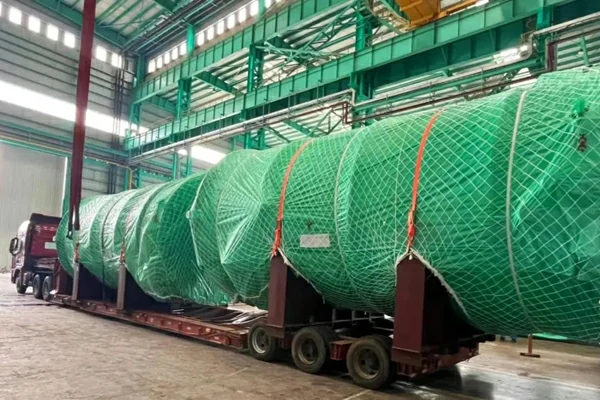
The successful completion of this project was a testament to our commitment to quality, precision, and collaboration. BASF now has custom stainless steel pressure vessels that not only meet but exceed their stringent requirements. These vessels play a vital role in their chemical processes, contributing to the overall safety and efficiency of their operations.
Our partnership with BASF not only delivered tangible results but also strengthened our reputation as a trusted and reliable pressure vessel fabricator. We look forward to continuing to serve BASF and other industry leaders with our expertise and dedication to excellence.
If you have custom pressure vessel needs or any other complex fabrication requirements, we invite you to reach out to us. Our team of experts is ready to collaborate with you to turn your designs into reality, providing solutions that meet and exceed your expectations. Contact us today to discuss your project and experience our differences. Together, we can achieve excellence in engineering and fabrication.
Metal storage tanks are a ubiquitous sight across various industries, silently performing a vital role in storing and preserving a wide array of substances. Their robust construction, durability, and versatility make them an indispensable asset in sectors ranging from agriculture to petrochemicals, and beyond. In this article, we will explore the many uses for metal storage tanks and how they contribute to the efficient functioning of diverse industries.
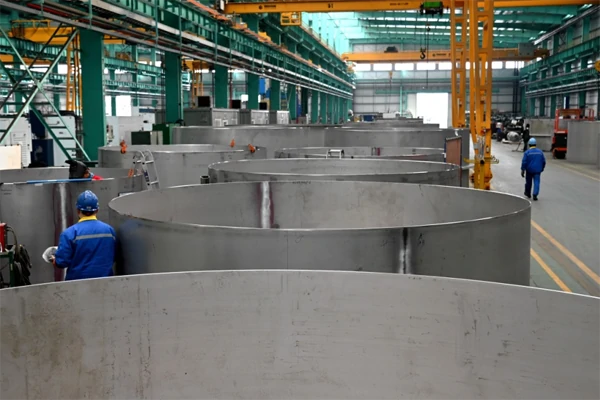
Agriculture is the backbone of many economies worldwide, and metal storage tanks are pivotal in this sector. Farmers and agricultural businesses utilize these tanks for various purposes:
The oil and gas industry relies heavily on metal storage tanks to store crude oil, refined petroleum products, and various chemicals. These tanks come in various shapes and sizes, including above-ground and underground installations, and serve several crucial functions:
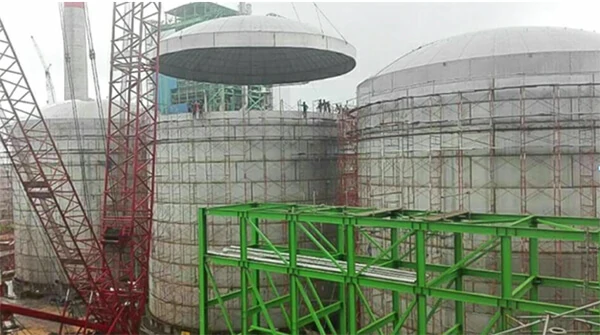
In the chemical manufacturing industry, the safe storage of raw materials, intermediates, and finished products is paramount. Metal storage tanks offer exceptional chemical resistance and can safely house a wide range of chemicals, acids, and hazardous materials. Industries such as pharmaceuticals, electronics, and manufacturing rely on these tanks for their chemical storage needs.
Water is a precious resource, and metal storage tanks play a critical role in water treatment and distribution:
In the food and beverage industry, metal storage tanks are essential for various purposes:
With the growing emphasis on renewable energy sources, metal storage tanks are increasingly used in the renewable energy sector:
In the mining industry, metal storage tanks are employed for various purposes:
Construction sites frequently require metal storage tanks for various purposes:
Emergency services, including fire departments, often use metal storage tanks to store water or firefighting foam. These tanks enable quick access to vital resources during emergencies and ensure effective response to fires and other disasters.
Metal storage tanks are versatile assets that find application in a multitude of industries, contributing to the efficient functioning of various sectors of the economy. Their durability, resistance to corrosion, and adaptability to different environments make them indispensable for storing liquids and solids, from water and chemicals to agricultural products and energy sources. As industries continue to evolve, the importance of metal storage tanks in maintaining operational efficiency and safety remains unwavering.
With so many different applications for metal tanks and the inevitable space limitations and specific requirements faced by any modern facility, it’s unlikely that an out-of-the-box solution will readily present itself. In this case, it’s a good idea to consider a custom-fabricated storage solution that will meet all your needs and be built to your exact specifications.
If you think you might need a custom metal tank or need guidance from an experienced metal fabricator, please contact us here at sales3@openex.com.cn. We’ll be happy to help.