
+86 186 5928 0806
In a significant milestone for Openex, the company has successfully shipped its first batch of meticulously crafted battery enclosures to a prestigious customer in Thailand. These enclosures, totaling 180 sets and 720 pieces, are destined for use in the research, development, and production of lithium batteries and power systems. The successful delivery of these products is a testament to Openex's commitment to precision engineering and exceeding customer expectations.
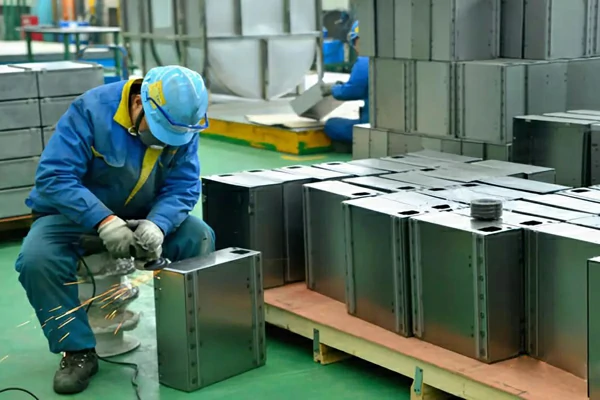
The project involved an array of complex fabrication processes, including laser cutting, punching, bending, clamping, welding, and advanced spray coating techniques. The demanding specifications set by the customer were a true test of Openex's capabilities.
One of the foremost challenges was meeting the customer's high standards for the overall size of the enclosures. Precision engineering was paramount to ensure that each enclosure adhered to exact specifications. Weld seam quality was another critical aspect, with the customer insisting that no traces of welding should be visible after the finishing process. To achieve this, Openex employed cutting-edge welding technology and rigorous quality control.
Additionally, the thickness of the product coating film was mandated to be within a specific range of 80-120 μm. Maintaining this level of consistency across all enclosures required exceptional attention to detail and a sophisticated coating process.
Openex's dedication to meeting the customer's stringent requirements resulted in the successful verification of all 16 important dimensions. Each enclosure passed this meticulous scrutiny, ensuring that the customer's expectations were not just met but exceeded.
To date, Openex has shipped 60 sets of these meticulously crafted battery enclosures. The remaining products are in the final stages of production and will be shipped promptly to fulfill the order.
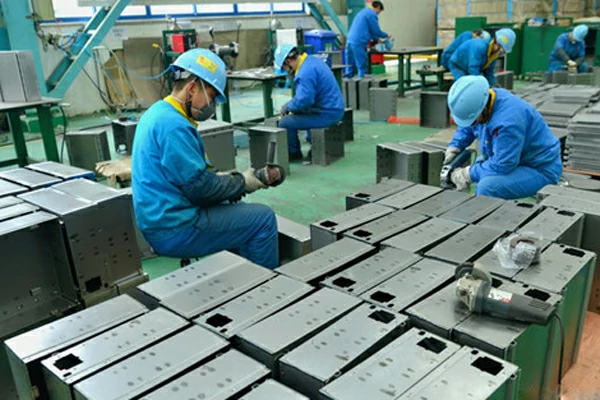
The high appraisal received from the customer underscores the quality and precision that Openex brings to every project. The successful completion of this order strengthens Openex's reputation as a trusted partner for customers in the lithium battery and power system industry.
Openex remains committed to delivering innovative solutions and maintaining the highest standards of excellence in engineering. This successful collaboration with our Thai customer serves as a testament to our dedication to precision, quality, and exceeding expectations.
In conclusion, the first batch of battery enclosures shipped to Thailand marks a significant achievement for Openex. It highlights our ability to meet and exceed demanding customer specifications while delivering top-notch products that are setting new industry standards. Openex looks forward to further collaborations and the opportunity to continue serving customers with cutting-edge solutions in the future.
If you have any requirements for new energy enclosures or other applications, feel free to contact us.
In a remarkable display of its one-stop metal fabrication prowess, Openex recently undertook and successfully executed an urgent order of battery shells for a lithium production project, earning accolades from a delighted customer. This client is a globally renowned manufacturer specializing in producing a wide range of industrial mixing, stirring, dispersing, emulsifying, and other equipment. Their products find applications across various industries such as new energy, chemicals, coatings, pharmaceuticals, adhesives, and more. With a track record of serving leading enterprises worldwide, including several from the prestigious Fortune 500 list. The client approached Openex for the critical project they needed urgently.
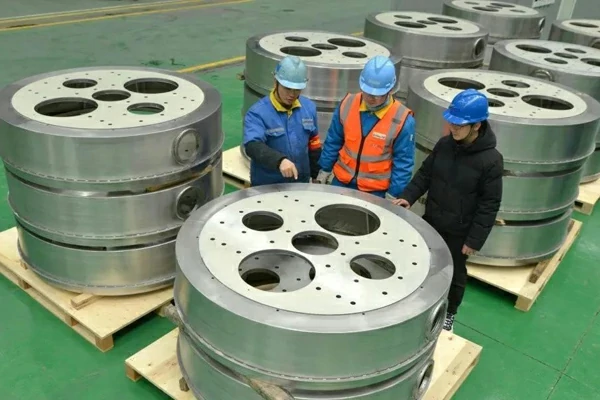
Openex swiftly leveraged its expertise in materials selection, rapid cutting, shaping, machining, batch welding, assembly, and more to excel in the lithium battery shell fabrication service. Within an astonishingly short timeframe of just two months, Openex accomplished the processing of over 100 sets of products, meeting the client's demanding requirements.
A critical aspect of this project was the precise selection of materials. Openex's team of experts carefully evaluated and chose materials that would not only meet the project's specifications but also ensure the durability and safety of the lithium battery shells. This meticulous approach to material selection is a testament to Openex's commitment to quality.
Openex's advanced machinery and skilled workforce enabled rapid cutting and shaping of the metal components. This efficiency played a crucial role in meeting the tight project deadline while maintaining precision and consistency in the final product.
With state-of-the-art machining capabilities, Openex executed intricate machining tasks with precision, ensuring that each component met the strict quality standards required for lithium battery shells. The batch welding process was carried out seamlessly, guaranteeing the structural integrity of the final product.
Openex's assembly experts ensured that every component came together flawlessly, meeting the client's exact specifications and quality expectations. The attention to detail in the assembly process further exemplified Openex's commitment to excellence.
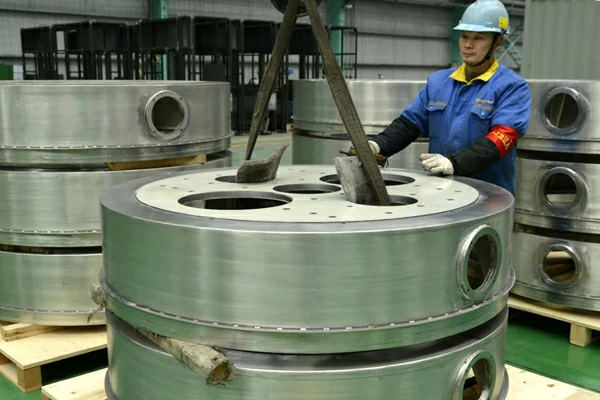
The outcome of this project exceeded the customer's expectations. They expressed their satisfaction with Openex's exceptional performance and declared their intention to continue collaborating with the company. Additionally, the customer anticipates a yearly demand of 1,000 sets of the product, underlining the strong partnership between Openex and the client.
Openex's successful completion of the urgent lithium battery shell project exemplifies the company's dedication to providing top-notch one-stop metal fabrication services. Through precise materials selection, rapid processing, and stringent quality control, Openex not only met but exceeded the client's expectations. This project not only strengthens the existing partnership but also sets the stage for future collaborations between Openex and its esteemed client. Openex's commitment to excellence in metal fabrication continues to shine, reaffirming its position as a leader in the industry.
Discover how Openex's expertise can benefit your metal fabrication needs. Contact us today to discuss your project requirements and experience unparalleled quality and efficiency.
In an era dominated by portable electronic devices, electric vehicles, and renewable energy systems, lithium-ion batteries have emerged as the backbone of modern energy storage solutions. These lightweight and high-energy-density powerhouses have revolutionized the way we live and work, but few of us truly understand the intricate processes behind their production. In this blog, we will take a deep dive into the world of lithium battery manufacturing, with a particular focus on the pivotal role that metal fabrication plays in this fascinating industry.
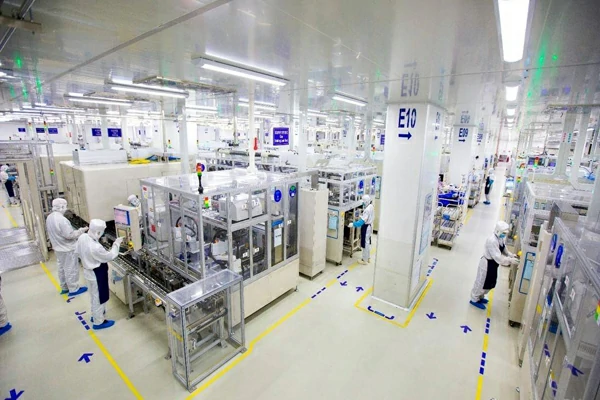
The journey of lithium batteries from laboratories to our everyday lives has been nothing short of remarkable. First developed in the 1970s, these batteries have undergone significant improvements over the years. Today, they power everything from smartphones to laptops, electric vehicles to grid-scale energy storage systems.
The key to the success of lithium-ion batteries lies in their chemistry. Unlike traditional lead-acid batteries, which rely on chemical reactions involving lead and sulfuric acid, lithium-ion batteries use lithium ions to store and release energy. This chemistry not only results in higher energy density but also allows for faster charging and discharging, making them incredibly versatile.
Lithium battery production is a complex, multi-step process that requires precision engineering, chemistry expertise, and strict quality control. The key components of a lithium-ion battery include the cathode, anode, separator, electrolyte, and the casing. Each of these components plays a crucial role in the battery's performance.
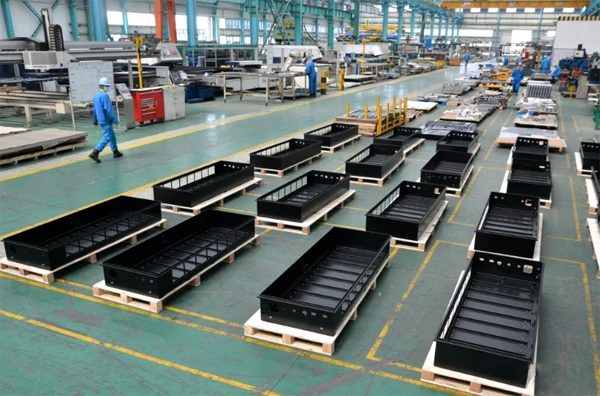
The casing of a lithium-ion battery, typically made of metal, serves as the protective enclosure for the internal components. This metal casing is a critical component that ensures the safety and structural integrity of the battery.
Metal fabrication techniques, such as stamping, die-cutting, and welding, are employed to create the intricate shapes and designs needed for various battery form factors. Stainless steel and aluminum are commonly used materials due to their corrosion resistance and durability.
The cathode and anode are the positive and negative electrodes of the battery, respectively. These electrodes are typically composed of metal foils coated with active materials. For example, the cathode often contains lithium cobalt oxide (LiCoO2), while the anode may consist of graphite or other carbon-based materials.
Metal fabrication is involved in the production of these electrode foils. Thin sheets of metal are precision-cut and coated with the active material using specialized techniques. The metal substrate provides structural support while allowing for efficient electron flow.
Once the individual components are prepared, they are assembled into cells. This process involves carefully stacking the anode, cathode, separator, and electrolyte while maintaining a controlled environment to prevent contamination and ensure safety.
Metal fabrication plays a role in the production of cell casings and connectors, which are crucial for maintaining electrical connections and sealing the cell to prevent leaks.
Quality control is a paramount concern in lithium battery production. Metal components undergo rigorous inspection to ensure they meet dimensional and quality standards. The thickness and uniformity of metal foils, for example, are critical factors that can impact the battery's performance and safety.
As the demand for lithium-ion batteries continues to grow, researchers and manufacturers are continually seeking ways to improve their performance, energy density, and safety. Metal fabrication technologies play a pivotal role in these advancements.
Conclusion
Lithium-ion batteries have transformed the way we power our devices and vehicles, and their importance in the transition to cleaner energy sources cannot be overstated. Metal fabrication is a cornerstone of lithium battery production, ensuring the structural integrity and performance of these power sources. As technology continues to advance, the role of metal fabrication will evolve, contributing to lighter, safer, and more sustainable batteries that drive innovation in the energy storage industry. The next time you power up your smartphone or step into an electric vehicle, remember that behind the scenes, metal fabrication is playing a crucial role in powering our modern world.
At our metal fabrication workshop, we recently undertook an exciting project – the creation of a specialized sack opening station for a lithium production facility. While the term "sack opening station" might sound a bit technical, we're here to explain it in plain words. In this article, we'll delve into the manufacturing process, key features, and the benefits of our custom-made sack opening station.
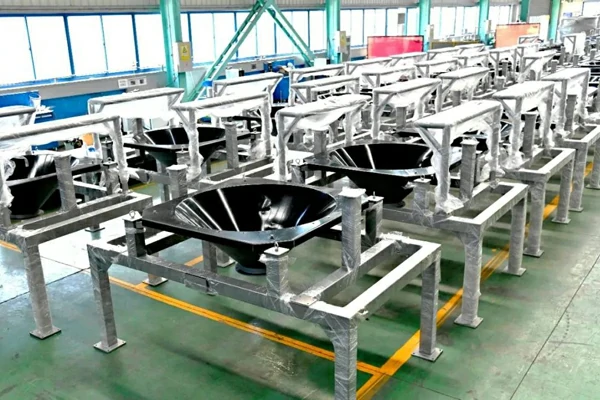
Before we dive into the details, let's start with why a sack opening station is crucial in a lithium production line. Lithium, a key component in batteries for everything from smartphones to electric cars, is often stored and transported in large sacks or bags. These bags need to be opened efficiently to extract the lithium for further processing.
Opening these bags manually is not only time-consuming but can also lead to safety concerns and inefficiencies in the production process. That's where our sack opening station comes into play. It's designed to automate this task, making the lithium production process smoother and more efficient.
Creating a sack opening station is a complex process that involves multiple steps. Here's a breakdown of how we bring this essential piece of equipment to life:
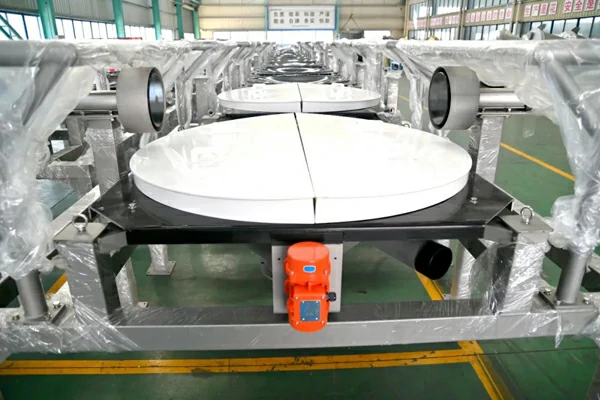
Now that we've covered the manufacturing process let's explore the benefits of our custom-made sack opening station for lithium production:
In the world of lithium production, efficiency and safety are paramount. Our custom-made sack opening station is a testament to our commitment to providing innovative solutions to the industry's unique challenges. By automating the bag opening process, we not only save time and money but also improve the overall quality of lithium production. If you're looking to streamline your lithium production process or any other metal components, contact us at to see how we can help.
A few days ago, a project of precision machining took place as a batch of 12 sets of wear-resistant guide rails for steel mill equipment was successfully exported to Canada. This accomplishment was more than just a business transaction; it was a testament to the unwavering commitment to quality and precision in the field of machining.
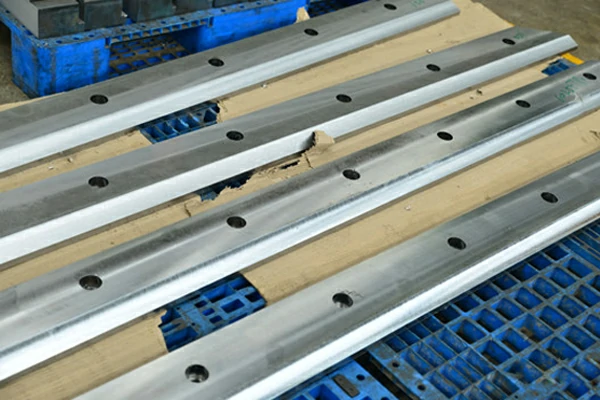
These guide rails, crafted from high-quality mold steel 42CrMo, were no ordinary components. Their production journey involved the utilization of multiple composite equipment, such as planers and gantry machining centers. What set this project apart, however, were the exceptionally high demands placed on the roughness and machining accuracy of these wear-resistant guide rails.
Meeting these exacting requirements necessitated in-depth technical expertise and precise production processes. The collaboration between our skilled technical and production teams played a pivotal role in achieving this milestone. Multiple rounds of rigorous process discussions were conducted to determine the most suitable processing route that would meet and exceed the customer's expectations.
Precision machining is an art form that requires not only state-of-the-art equipment but also a deep understanding of materials and processes. In the case of these guide rails, it was imperative to strike a balance between achieving the desired surface roughness and maintaining the necessary dimensional precision.
To accomplish this, the use of advanced equipment like planers and gantry machining centers allowed us to achieve the intricate geometries and surface finishes demanded by the customer. The machining process was characterized by a series of precise operations, each contributing to the overall quality of the final product.
The machining process commenced with careful material selection. Mold steel 42CrMo was chosen for its excellent properties, including high strength and wear resistance. This set the foundation for a durable and long-lasting product.
Next came the rough machining phase, where the guide rail blanks were carefully shaped and dimensioned. This required precise coordination between the machining equipment and skilled operators who monitored every aspect of the process to ensure optimal results.
Following rough machining, the guide rails underwent precision milling. This step was critical in achieving the exceptional surface roughness demanded by the customer. Our dedicated team of experts meticulously monitored the grinding process, continually measuring and adjusting to ensure the desired finish was achieved.
Quality control played a pivotal role throughout the entire production process. Stringent inspections were conducted at various stages to ensure that each guide rail met the exacting standards set by the customer. Dimensional accuracy, surface finish, and overall quality were consistently verified to guarantee that only the best products left our facility.
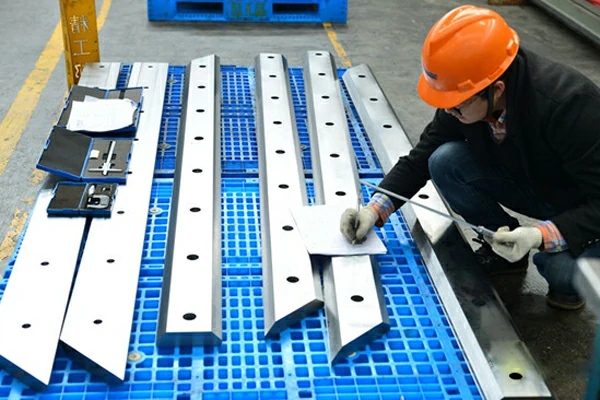
The successful completion of this project was not only a testament to our technical prowess but also to our unwavering commitment to customer satisfaction. By delivering high-quality wear-resistant guide rails that surpassed customer expectations, we solidified our presence and influence in the overseas market.
In conclusion, precision machining is a craft that demands dedication, expertise, and cutting-edge equipment. Our recent success in exporting wear-resistant guide rails to Canada highlights our capability to meet and exceed the most demanding customer requirements. We are proud to have played a part in enhancing the efficiency and longevity of steel mill equipment in Canada.
If you have machining needs that demand the highest level of precision and quality, we invite you to get in touch with us today. Our team of skilled professionals is ready to collaborate with you on your next project, ensuring that it meets and exceeds your expectations. Together, we can achieve machining excellence.
Contact us now to discuss your machining requirements and experience the precision and quality that sets us apart.
When it comes to the production of industrial machinery like the 600T press machine, every component must be crafted with meticulous accuracy to ensure optimal performance. Recently, Openex had the privilege of working with an old customer on the precision parts of a 600T press machine, and we are thrilled to share our journey through the process.
From the initial stages of cutting and welding to the final precision machining, our one-stop shop metal fabrication service capability has not only saved our customer valuable time and effort but has also cemented our reputation as a trusted provider of high-quality industrial components.
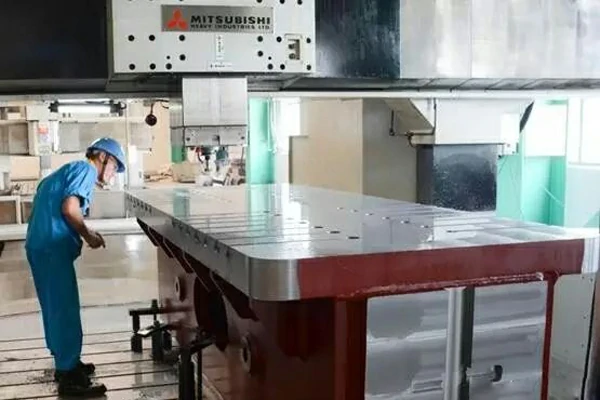
Our journey begins with the raw materials and the first steps in crafting precision parts for the 600T press machine. Cutting and welding are the foundational processes that set the stage for what follows. At Kaiyi, we employ cutting-edge technology and skilled craftsmanship to ensure that every piece is cut to the exact specifications required for the machine's operation.
Our welding experts then meticulously join these components, ensuring structural integrity and durability. It's at this stage that the foundation of precision is laid, as any deviations can have cascading effects on the final product.
After the initial stages, the precision parts enter the heart of the process – precision machining. This is where the true artistry of manufacturing shines. Our state-of-the-art machining centers and highly trained operators come into play, turning raw materials into finely tuned components.
Our CNC (Computer Numerical Control) machines are programmed to execute intricate operations with exceptional accuracy. From drilling holes to milling surfaces to threading, every step is carried out with precision in mind. This ensures that the components not only meet but exceed the stringent quality standards required for a 600T press machine.
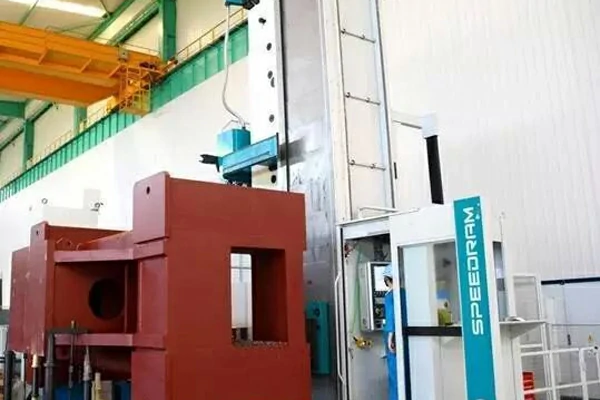
At Openex, we understand that precision is meaningless without quality. Our commitment to excellence is evident in our rigorous quality assurance processes. Each part undergoes meticulous inspection and testing to ensure that it meets the highest industry standards. Only after passing these stringent tests do the components move on to the finishing stage.
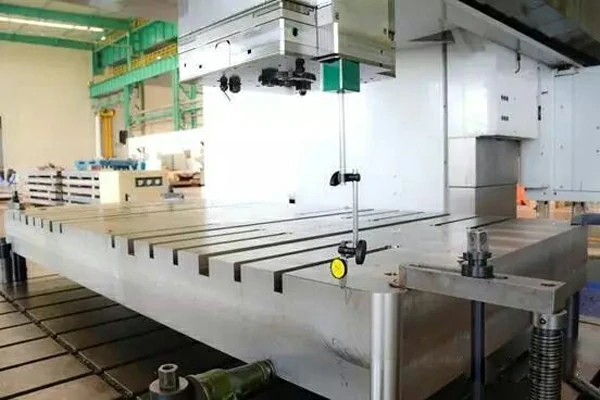
The trust of our customers is our most valuable asset. Our one-stop-shop metal fabrication service capability allows our customers to focus on their core business, knowing that they can rely on us for all their precision part needs. Our dedication to delivering high-quality products on time has earned us the confidence of our clients, old and new.
In the journey of crafting precision parts for a 600T press machine, Openex has demonstrated its unwavering commitment to quality, precision, and customer satisfaction. From cutting and welding to precision machining, our one-stop solution streamlines the manufacturing process, saving our customers time and effort. Our dedication to excellence ensures that our high-quality products consistently meet and exceed industry standards.
As we approach the finishing stage of this project, we reflect on the trust our customers have placed in us. It's a trust we hold dear and strive to uphold in every project we undertake.
If you're in need of precision parts for your industrial machinery, look no further than Openex. Contact us today and experience the Openex difference for yourself.
In the world of manufacturing, precision is paramount. Whether you're producing intricate components for aerospace applications or crafting the backbone of intelligent machine tools, achieving the highest level of precision is non-negotiable. Openex, a leading name in precision metal works, is committed to delivering excellence in every project we undertake. Recently, we had the honor of successfully delivering the main components of the bed for a fully automated boring machine to a customer. The result? A resounding affirmation of our machining quality.
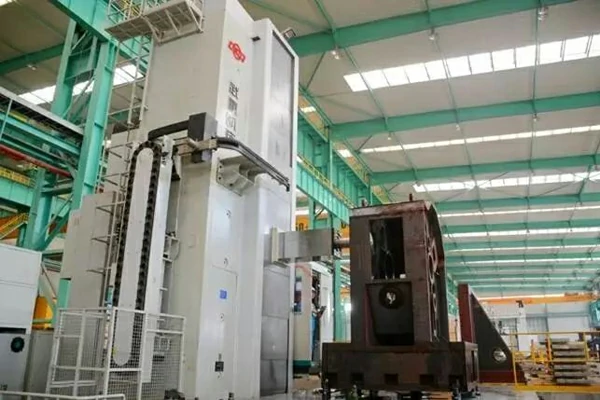
Our recent project centered around the main metal structural parts of the bed for an intelligent multi-process integrated machine tool designed for machining hardware components. This cutting-edge machine tool represents a significant leap forward in the world of manufacturing. It's designed to streamline and simplify the production process, reducing complexity and improving efficiency.
Traditionally, the production of hardware parts required a laborious and time-consuming process involving more than 20 distinct procedures. Each step added to the manufacturing timeline and introduced the potential for errors. With the introduction of the intelligent machine tool, all of that has changed.
Our intelligent machine tool has revolutionized the production of hardware components. What used to take multiple machines and numerous steps can now be accomplished in a single operation. This transformation offers several key benefits:
Machining precision structural components is no easy feat. The requirements for these components are exceptionally high, demanding a level of precision that few can achieve. At Openex, we not only rise to this challenge, but we also excel in delivering precision that sets industry standards.
The successful completion of the recent project, involving the bed for an intelligent multi-process integrated machine tool, is a testament to our comprehensive strength in precision manufacturing. What does this mean for our customers?
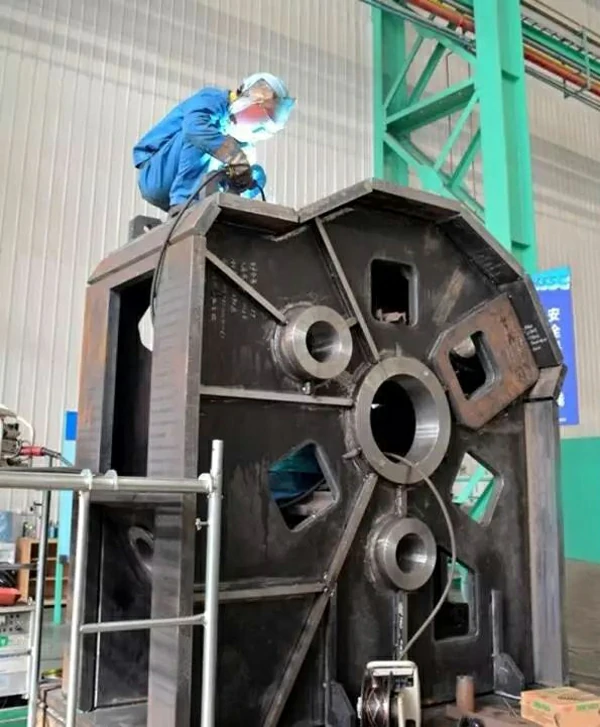
At Openex, we take pride in being your partner in precision manufacturing. Our commitment to delivering high-quality components for intelligent machine tools and other critical applications is unwavering. We understand that precision is not just a requirement; it's a necessity in today's competitive landscape.
If you're looking for a trusted partner who can deliver on your precision engineering needs, look no further. Contact us today to discuss your project and discover how Openex can help you achieve your manufacturing goals.
In a world where precision matters more than ever, precision metal works have emerged as a true art form. These intricate creations not only serve functional purposes but also showcase the remarkable craftsmanship and engineering expertise that goes into their production. From aerospace components to medical devices, from intricate jewelry to architectural marvels, precision metal works are all around us, often hidden in plain sight. In this blog, we will delve deep into the world of precision metal works, exploring their history, applications, and the meticulous techniques that bring them to life.
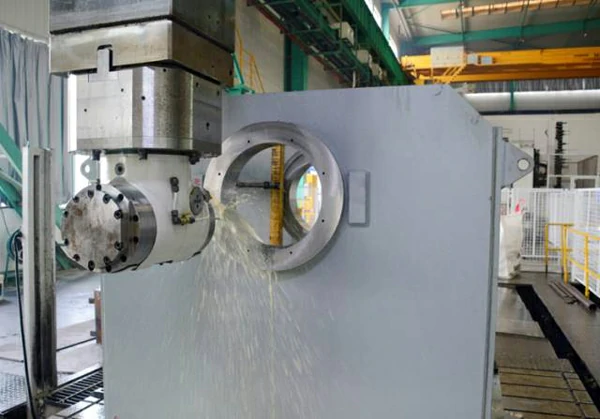
The roots of precision metal works can be traced back to ancient civilizations. Early metalworkers used basic tools and techniques to shape and manipulate metals, paving the way for more advanced metallurgy in the future. The advent of the Industrial Revolution in the 18th century brought about significant advancements in metalworking, as machines and tools were developed to achieve higher levels of precision.
However, it was during the mid-20th century that precision metal works truly came into their own. World War II played a pivotal role in driving advancements in precision machining, as military demands required the production of highly precise components for weapons, aircraft, and vehicles. Post-war, the aerospace and medical industries embraced precision metal works for their intricate and demanding applications.
Precision metal works encompass a wide array of applications, each requiring a specific level of precision and craftsmanship. Here are some notable areas where precision metal works shine:
The aerospace industry relies heavily on precision metal works to produce critical components for aircraft and spacecraft. From turbine blades to landing gear, every piece must meet exacting standards to ensure safety and performance. CNC (Computer Numerical Control) machining and 3D printing have revolutionized the production of aerospace parts, allowing for unprecedented precision.
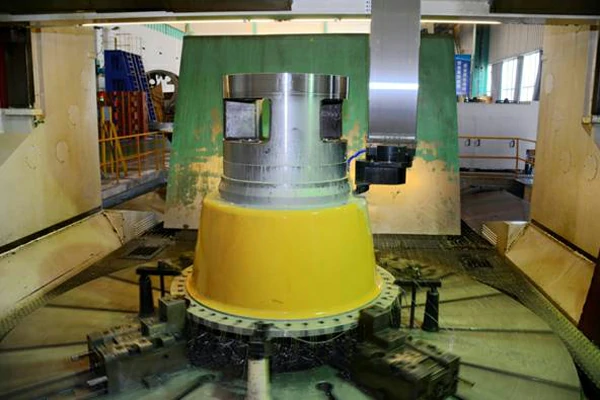
In the medical field, precision is a matter of life and death. Surgical instruments, implants, and diagnostic equipment are all manufactured with precision metal works. Materials like titanium and stainless steel are often used for their biocompatibility and strength, while micro-machining techniques enable the creation of incredibly small and intricate components.
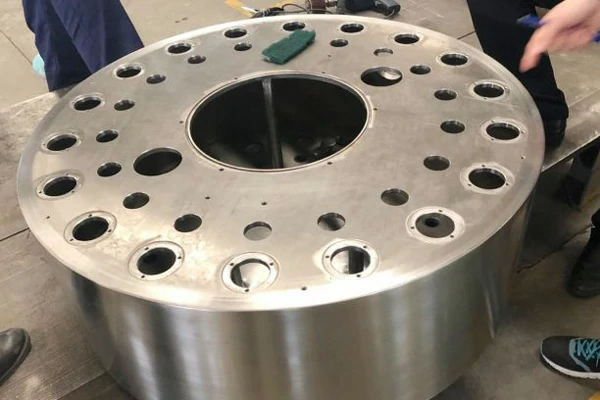
The electronics industry relies on precision metal works for manufacturing semiconductors, connectors, and electronic enclosures. Miniaturization is a key trend here, as devices become smaller and more powerful. Precision metal works help make this possible by crafting tiny, complex components with incredible accuracy.
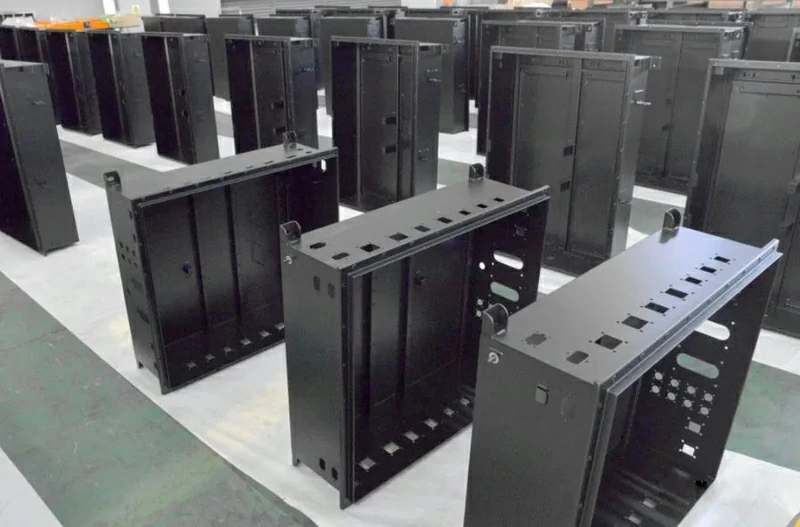
Precision metal works play a crucial role in the automotive industry, where safety and performance standards are paramount. From engine components to transmission parts, the quality of precision metal works directly affects a vehicle's reliability and efficiency. Advanced manufacturing technologies like laser cutting and robotic welding have elevated the precision of automotive components.
Even in the world of architecture and design, precision metal works have found a place. Intricate metal sculptures, contemporary building facades, and custom-made furniture often incorporate precision metalwork to achieve unique and stunning designs.
Achieving the level of precision required in these industries demands a meticulous and sophisticated manufacturing process. Here are some key steps involved in precision metal works:
Every project begins with detailed design and engineering work. Computer-aided design (CAD) and computer-aided manufacturing (CAM) software are used to create precise digital models and plans.
The choice of materials is critical to the success of precision metal works. Factors such as strength, durability, and resistance to corrosion must be considered. Materials commonly used include stainless steel, aluminum, titanium, and various alloys.
Precision metal works often involve complex machining processes, such as CNC milling, turning, grinding, and EDM (Electrical Discharge Machining). Advanced tools and equipment are used to shape and finish the metal to exact specifications.
Quality control is an integral part of precision metal works. Advanced measuring and inspection techniques, including coordinate measuring machines (CMM) and optical metrology, ensure that every component meets stringent tolerances and standards.
Surface finishes, such as plating, anodizing, and polishing, not only enhance the aesthetics but also provide additional protection and functionality to precision metal components.
Precision metal works are not just about meeting specifications; they are a testament to human ingenuity and craftsmanship. The artisans who craft these components, whether it's a skilled machinist or a talented jeweler, bring a level of artistry to their work that elevates it beyond mere engineering.
The artistry of precision lies in the ability to transform raw materials into objects of beauty and functionality, with every angle, curve, and surface finish meticulously considered. It's the satisfaction of knowing that a complex aerospace component will soar through the skies flawlessly or that a delicate medical instrument will save lives with precision.
So, precision metal works are the unsung heroes behind some of the most technologically advanced and aesthetically pleasing creations in our world. From the depths of the aerospace industry to the intricacies of medical devices and beyond, precision metal works are a testament to the human capacity for innovation, precision, and artistry. As technology continues to advance, we can only imagine the incredible possibilities that lie ahead in the ever-evolving world of precision metal works.
Openex, a company that specializes in metal fabrication for industries, recently finished an important project for a big papermaking equipment company. The customer was really happy with the work Openex did.
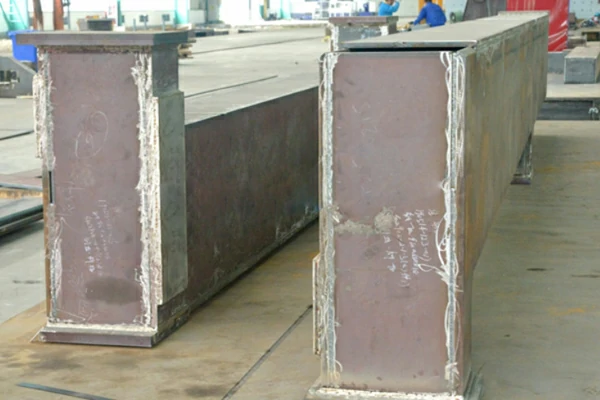
This project was about making parts for two different production lines. These parts were made from two kinds of materials: carbon steel and stainless steel. The customer needed these parts in mid-late August and mid-September, so it was a tight deadline. There were more than 20 different types of parts, with thicknesses ranging from 1.5mm to a big 50mm.
What made this project challenging was that it needed various complex processes like cutting, bending, welding, machining, and more. The customer was very picky about how these parts needed to look and work.
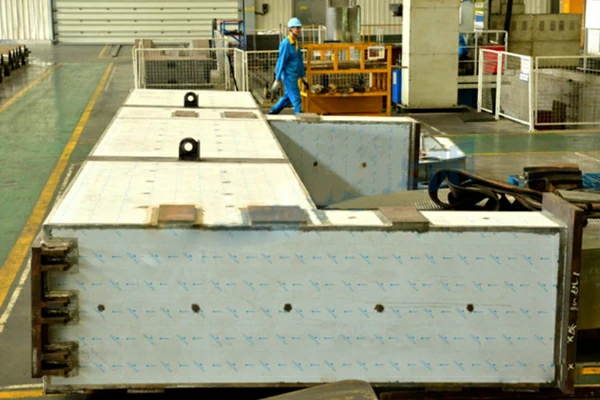
The customer had high expectations for the parts. They wanted the parts to be the right size and have a smooth surface. Openex had to work really hard to not only meet but also exceed these expectations.
The first batch of parts included ten big welding pieces, weighing a total of 79 tons. Some of these parts were as heavy as 17 tons each! This was a huge task, and Openex had to make sure the parts were strong and well-made.
Openex took quality seriously throughout the project. They checked every step of the process to make sure everything was done right. They paid special attention to how the parts were shaped, how strong they were, and how they looked on the surface. They made sure every weld was perfect and that every part met the industry's high standards.
The customer was really happy with the parts they received from Openex, and they said everything looked great.
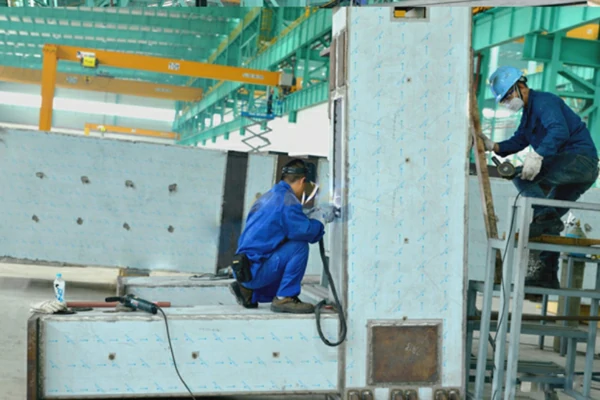
Openex's success in completing this project with carbon steel and stainless steel parts shows they are good at handling complex manufacturing tasks. They can work with different materials and processes and meet tough customer demands.
Openex is known for making high-quality parts that last a long time. They care about their customers and always aim to do their best. As they move forward, Openex is ready for new challenges in the manufacturing world.
If you have a project that requires precision and quality, consider Openex. They are dedicated to making things right, just like they did in this successful project.
If you have a metal fabrication project in mind and want it to be done with precision and quality, contact Openex today. They have a proven track record of delivering exceptional results. Your project could be their next success story!
At Openex, we take immense pride in our commitment to providing top-notch metal fabrication solutions for various industries. Recently, we completed the production and shipment of a significant batch of perforated plates for an environmental protection enterprise. These perforated plates are vital components of dust removal equipment used in environmental protection systems. In this article, we delve into the intricacies of this project, highlighting our expertise in working with plain carbon steel Q235B, maintaining strict thickness requirements, and achieving unparalleled precision in aperture accuracy.
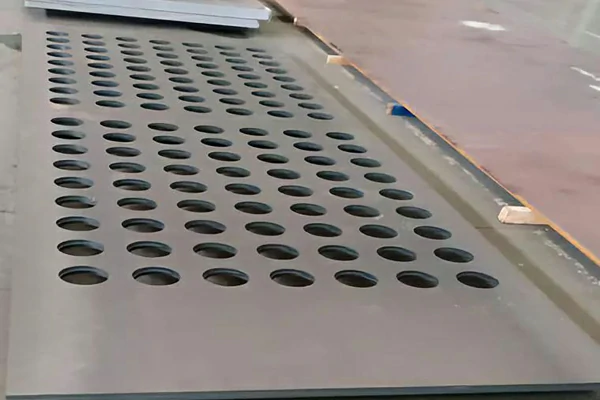
The heart of this project lies in the choice of material - plain carbon steel Q235B. This material is renowned for its robustness, making it a preferred choice for industrial applications. However, it presents certain challenges, especially when thickness requirements span from 4.0mm to 8.0mm. Ensuring uniformity and structural integrity across this range is no small feat.
To address this challenge, our team employed state-of-the-art Italian FIMI medium-thickness plate leveling equipment. This equipment effectively eliminated any internal stress within the material, which not only enhances its overall durability but also significantly reduces the likelihood of deformation during subsequent cutting processes.
In any perforated plate project, achieving precise aperture accuracy is paramount. For this specific project, we were tasked with maintaining an astonishingly tight tolerance of plus or minus 0.2mm. This level of precision is crucial to ensure that the plates fit seamlessly into the environmental protection dust removal equipment.
To achieve this, we turned to high-precision laser cutting equipment. This cutting-edge technology allowed us to cut the perforations with incredible accuracy. The laser's precision guarantees that the final product not only meets but exceeds the client's expectations. Moreover, the smooth cutting sections ensure that the plates are safe to handle and assemble.
Quality assurance is at the core of everything we do. Our dedication to delivering exceptional products was exemplified in this project. The perforated plates we produced not only met the stringent requirements but surpassed them, earning accolades from our client.
Our commitment to quality is further validated by the fact that our processing quality received recognition from the customer. This acknowledgment reinforces our position as a trusted partner in metal fabrication for the environmental protection sector.
This successful project is more than just another job completed; it's a testament to our capabilities and commitment to excellence. We understand that in industries like environmental protection, precision and reliability are non-negotiable.
The flawless execution of this project has laid a solid foundation for future cooperation between our company and the environmental protection enterprise. We are excited about the prospect of working closely together on upcoming projects, with the confidence that our expertise will continue to meet and exceed their expectations.
At Openex, we don't just fabricate metal; we craft solutions that make a difference. Our recent project, manufacturing perforated plates for environmental protection dust removal equipment, showcases our dedication to quality, precision, and excellence. If you're in need of metal fabrication services that go beyond the ordinary, we invite you to partner with us. Together, we can build a future that's both environmentally responsible and industrially robust.
For inquiries or to discuss your next project, please don't hesitate to contact us. Your success is our mission, and we're ready to embark on this journey with you.