
+86 186 5928 0806
In the dynamic world of petrochemical equipment manufacturing, efficient and reliable metal fabrication services play a pivotal role in meeting industry demands. This article highlights a recent project, wherein a batch of metal components was fabricated for a petrochemical equipment company. Leveraging our comprehensive one-stop metal fabrication service, we delivered high-quality gas flare parts, fully utilizing the advantages of our streamlined production capabilities.
The project revolved around the fabrication of gas flare parts, essential components used in petrochemical equipment. The gas flare components primarily consisted of 4.00mm thick stainless steel plates, with lengths ranging from 2 to 7 meters. To ensure optimal performance, it was crucial to maintain stringent quality standards and adhere to precise specifications throughout the production process.
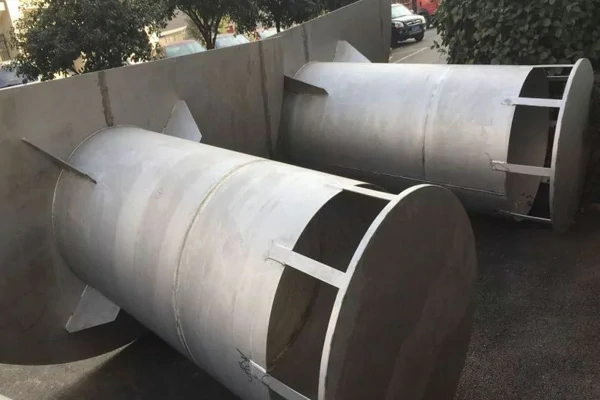
Gas flare, alternatively known as a flare stack, flare boom, ground flare, or flare pit is a gas combustion device used in places such as petroleum refineries, chemical plants and natural gas processing plants, oil or gas extraction sites having oil wells, gas wells, offshore oil and gas rigs and landfills.
In industrial plants, flare stacks are primarily used for burning off flammable gas released by safety valves during unplanned over-pressuring of plant equipment. During plant or partial plant startups and shutdowns, they are also often used for the planned combustion of gases over relatively short periods.
At oil and gas extraction sites, gas flares are similarly used for a variety of startup, maintenance, testing, safety, and emergency purposes. In a practice known as production flaring, they may also be used to dispose of large amounts of unwanted associated petroleum gas, possibly throughout the life of an oil well.
Our one-stop metal fabrication service offered a comprehensive solution to our client's requirements, ensuring a seamless experience from design to delivery. By consolidating various processes under one roof, we minimized lead times, streamlined communication, and maintained strict control over quality and precision.
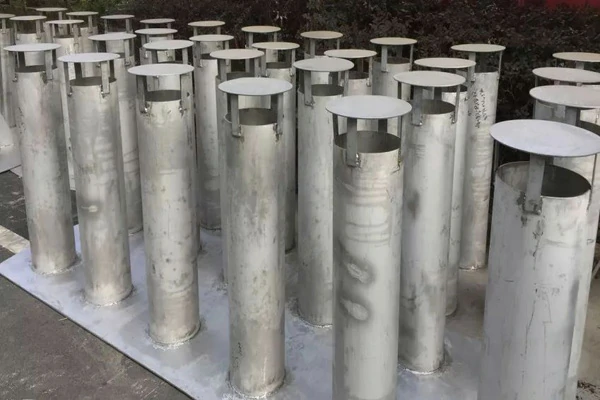
Through the effective implementation of our one-stop metal fabrication service, we successfully completed the fabrication of gas flare parts for the petrochemical equipment company.
This project serves as a testament to the advantages of our one-stop metal fabrication service in the petrochemical equipment manufacturing industry.
Are you needing reliable and efficient metal fabrication services for your petrochemical equipment manufacturing needs? Look no further! Our one-stop metal fabrication service combines advanced technology, skilled workforce, and rigorous quality control to deliver high-quality components that meet your specifications. Contact us today to discuss your requirements and experience the benefits of our streamlined production capabilities.
References
In the realm of petroleum engineering machinery, precision and durability are paramount. The manufacturing process for components used in this industry requires meticulous attention to detail to ensure optimal performance and reliability. This project article focuses on the machining of a batch of air-cooled cylinders for a prominent petroleum engineering machinery manufacturer. These cylinders are critical components of oil drilling equipment, demanding robust materials and high machining accuracy.
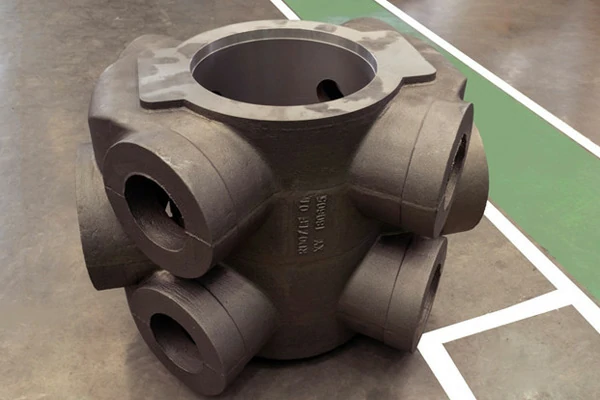
The project entailed the machining of air-cooled cylinders made from alloy cast iron, with each cylinder weighing a substantial 1.1 tons. The primary goal was to ensure the overall accuracy requirements of the machining process, aligning with the precise specifications provided in the engineering drawings. To achieve this, an in-depth study of the drawings was conducted, leading to the development of a detailed machining process.
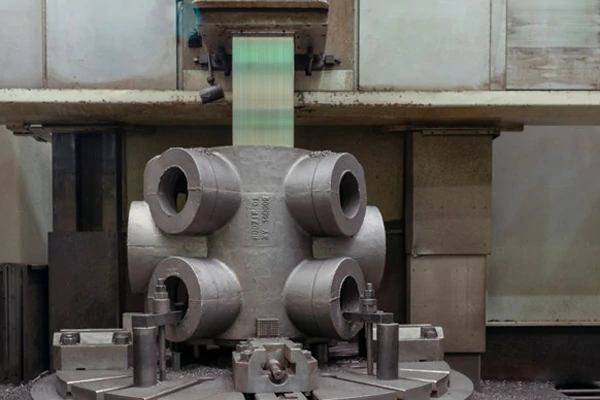
The project presented several challenges, particularly in the vertical turning process. The initial turning process required both the rough turning of the outer circle and the inner holes. To address this, the technicians utilized their expertise to correct the workpiece's level and center, ensuring precise positioning. Additionally, process stops were employed to enhance accuracy throughout the machining operations. These meticulous measures successfully tackled the challenges and contributed to achieving the desired machining accuracy.
The high level of expertise and precision exhibited by our technicians garnered positive feedback from the customer. The customers appreciated the meticulous approach taken to ensure accuracy, resulting in the production of high-quality air-cooled cylinders. By meeting the stringent requirements set forth in the engineering drawings, our team demonstrated a commitment to excellence and customer satisfaction.
Are you in need of precision machining services for your specialized industrial components? Look no further! Our team of skilled technicians possesses the expertise and experience to deliver exceptional results tailored to your requirements.
Whether you require large CNC machining, turning, or boring for heavy-duty components, we are well-equipped to meet your needs. Our commitment to accuracy, meticulous attention to detail, and customer satisfaction sets us apart in the industry.
Contact us today at sales3@openex.com.cn to discuss your machining needs and discover how our capabilities can contribute to the success of your projects. Together, we can achieve outstanding results and propel your business to new heights. Don't compromise on quality—choose our trusted machining services for your critical components.
When it comes to the efficient functioning of textile equipment, a robust ventilation system plays a crucial role. To achieve optimal performance, sheet metal assemblies are employed to create durable and reliable structures that effectively channel airflow.
The sheet metal assemblies used in ventilation systems for textile equipment are crafted with carbon steel plates, known for their exceptional strength and durability. These structures are designed to endure the rigors of continuous operation, while efficiently directing airflows to maintain the ideal climate within textile machinery.
A critical aspect of sheet metal assemblies is their varying thicknesses, ranging from 2.0mm to 12.0mm. The selection of different thicknesses allows for the creation of structures that can withstand different levels of stress and pressure. Thicker plates are utilized in areas where increased strength and stability are required, while thinner plates are employed where flexibility is needed.
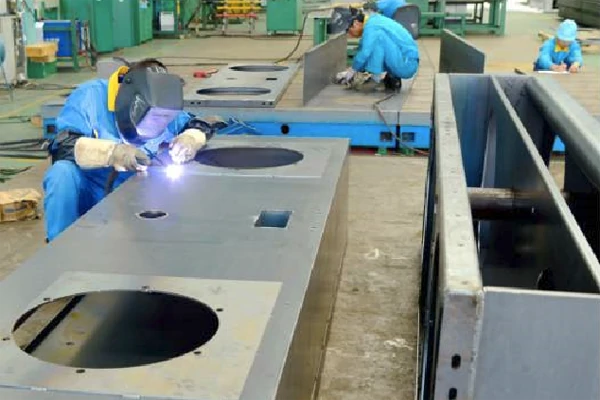
The fabrication process of sheet metal assemblies for ventilation systems involves a series of meticulous steps to ensure precision and reliability. Laser cutting is the primary method employed to shape carbon steel plates accurately. This process guarantees clean, smooth cuts, resulting in precise dimensions and minimal material wastage.
Press braking is another crucial step that involves bending the cut metal plates to achieve the desired shape and form. Skilled technicians use advanced machinery to ensure accuracy in angles and dimensions, allowing for seamless assembly and integration within the ventilation system.
Welding plays a pivotal role in joining the various components of sheet metal assemblies. It ensures structural integrity and eliminates potential leaks or weak points that could compromise the efficiency of the ventilation system. Expert welders utilize their expertise to create strong and durable connections, adhering to industry standards and best practices.
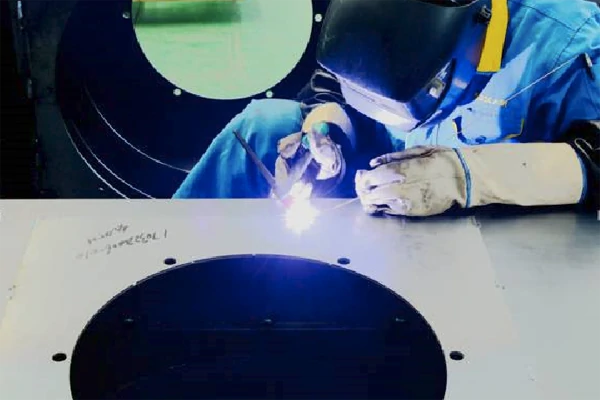
Assembling the different parts of the sheet metal structures is the final step in the fabrication process. Attention to detail and precision are crucial during this stage to guarantee a secure and functional assembly. Technicians carefully fit each component together, ensuring seamless integration that will withstand the demanding conditions of textile equipment ventilation systems.
By collaborating with metal fabrication companies, businesses can harness their expertise, achieve cost-effectiveness, access production scalability, ensure consistent quality, save time, and mitigate risks. Working with a reputable metal fabrication company empowers companies to optimize their ventilation systems, fostering efficiency and enhancing the overall quality of their textile equipment.
If you are in need of reliable and efficient sheet metal assemblies for ventilation systems in your textile equipment, look no further than Openex. Contact us today at sales3@openex.com.cn to discuss your requirements and experience the difference of working with a trusted partner in metal fabrication.
Industrial marine silencers are essential components within the marine industry, effectively reducing noise emissions from various machinery and engines. These silencers are specially designed to meet stringent noise regulations while ensuring a safe and comfortable environment aboard vessels. Custom metal fabrication plays a crucial role in manufacturing these specialized silencers, allowing for precise customization to meet specific requirements.
Custom fabrication plays a vital role in meeting the diverse needs of the marine industry. Given the unique challenges posed by the maritime environment, including harsh weather conditions, corrosive saltwater, and limited space availability, custom fabrication enables the creation of marine silencers tailored to individual vessel requirements. This ensures optimal performance, durability, and compliance with noise regulations.
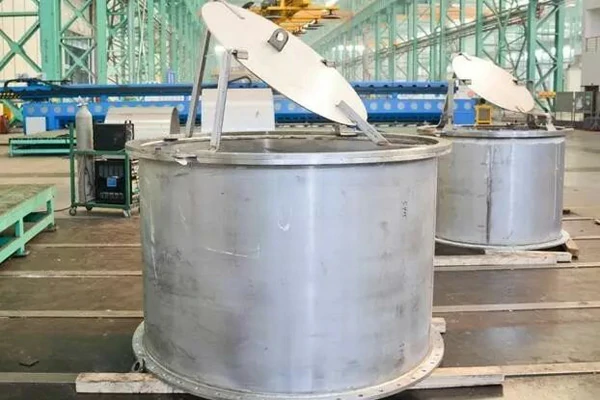
The fabrication process begins with an engineering drawing produced by a process engineer. In order to fabricate the part envisioned in the drawing, the engineer’s plan then has to be broken down into constituent parts that can be physically manufactured.
To do so, the engineering specifications are translated into a series of shop drawings. These are verified with the engineer in charge of the project. Once sign off is complete, the approved shop drawings are given over to the fabrication team.
Today, this process is usually accomplished in the computer using standard files such as MTC Shape Cutting, Pro Nest, and AutoCAD. Once upon a time, this was done with a series of hand-drawn plans (and, truth be told, still is from time to time).
The drawings specify the dimensions for the various pieces of heavy plate that will make up the silencer. Once everything is measured, plate shears are used to cut the larger thick steel pieces. High-definition plasma or laser machines with CNC controls are used to cut smaller pieces or ones that feature complex shapes or require particularly tight tolerances.
Once the pieces of heavy steel plate have been cut, they are subjected to bending or rolling, depending on the type of silencer being fabricated. Press brakes are used to bend plates for rectangular structures while rollers are generally used to give plates a rounded contour for circular ducts (although a press brake can also be used to “roll” a steel plate with incremental braking).
Once the pieces made from steel plate have been sized, they are lined up with one another to verify that they fit together properly and meet all of the specifications that can be assessed at that point in the process.
If all of the basic pieces of the silencers fit properly, parts are prepared for welding. After careful preparation, quality welds that conform to ASME, AWS, or other welding standards are made to join the pieces of metal to one another. Our skilled welders employ various welding techniques, including TIG (Tungsten Inert Gas) or MIG (Metal Inert Gas) welding, to join the cut components securely. This ensures the structural integrity and leak-free operation of the silencer.
To enhance corrosion resistance, marine silencers undergo surface treatment processes such as sandblasting and passivation. This essential step protects the silencer from the harsh marine environment, ensuring its longevity and optimal functionality.
At each stage of the fabrication process, we conduct thorough inspections and testing to ensure that the silencer meets the required specifications and performance standards. This includes rigorous testing for noise reduction efficiency, pressure resistance, and overall durability.
Hopefully this account of how industrial marine silencers is custom fabricated has shed some light on the process for you. We can’t say this is how everyone does it, but it’s what we know and do at Openex Metal Fabricators.
If you have any questions about this process, please feel free to contact us at sales3@openex.com.cn. And if you have a slightly different way you'd like to have heavy marine silencers custom fabricated, we'll be happy to hear it.
In the world of industrial manufacturing, precision and efficiency are paramount. When it comes to ensuring proper ventilation and air circulation in large-scale facilities, such as textile mills, the significance of reliable ductwork cannot be overstated. This article delves into the successful fabrication of sheet metal ductwork for a prominent textile mill, highlighting the meticulous process, utilization of premium materials, and satisfied customers.
The demanding project at hand involved the fabrication of over 100 sets of ductwork, custom-tailored to meet the specific requirements of a textile mill located in Japan. Recognizing the vital role ductwork plays in maintaining optimal air quality and temperature control within industrial settings, the mill sought the expertise of a reputable fabrication company that could deliver high-quality solutions. They turned to our company, renowned for our expertise in sheet metal fabrication and commitment to excellence.

To ensure durability, resistance to corrosion, and longevity, 304 stainless steel was selected as the primary material for the ductwork. This choice was informed by the material's exceptional properties, including high strength, good ductility, and excellent resistance to extreme temperatures and harsh environments.
The fabrication process began with de-coiling, where the stainless steel coils were unwound to provide a flat sheet surface for subsequent operations. Precision was of utmost importance during the laser cutting phase, where advanced laser technology was employed to precisely shape the metal sheets according to the specified design and dimensions. This step ensured that each component of the ductwork was accurately cut, enabling a seamless assembly.
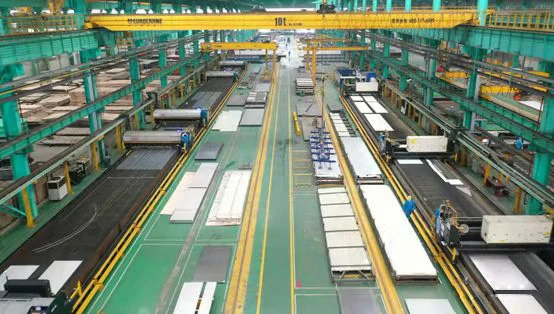
To achieve the desired shapes and angles, press braking was employed. This technique involved bending the metal sheets using hydraulic or mechanical presses, resulting in precise folds and corners. Plate rolling, on the other hand, was utilized to create cylindrical sections of the ductwork, ensuring a seamless and aesthetically pleasing appearance.
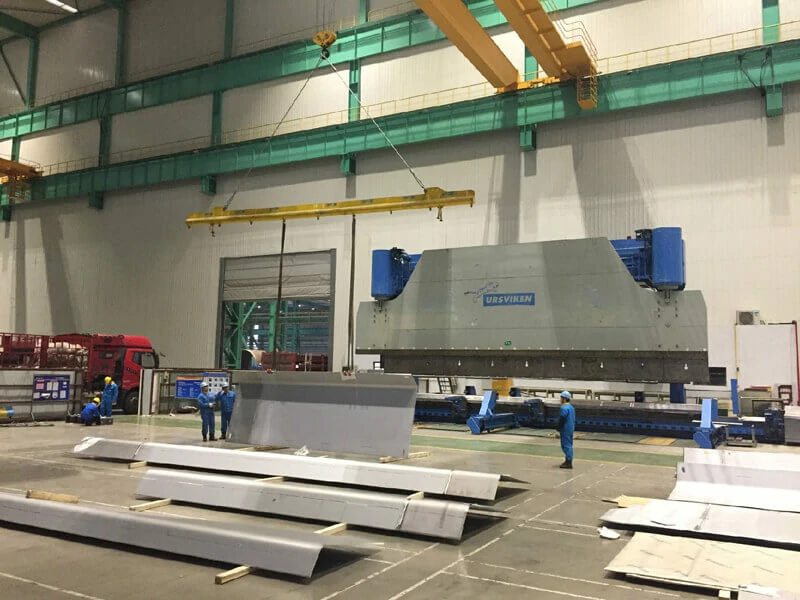
Welding played a critical role in the fabrication process, as it enabled the joining of various components to form the final ductwork assembly. Skilled welders meticulously fused the stainless steel pieces together, ensuring structural integrity and air tightness. This step required expertise in welding techniques to prevent defects and guarantee the longevity of the ductwork.

Machining was employed to refine the components further, ensuring dimensional accuracy and smooth edges. Following this, the ductwork underwent a meticulous polishing process to achieve a flawless, visually appealing surface. This not only enhanced the aesthetics but also contributed to the ductwork's resistance to corrosion and facilitated easier maintenance.
With the fabrication process complete, the ductwork components were carefully packaged to protect them during transit. The company paid great attention to packaging standards to ensure that the ductwork arrived at the textile mill in Japan in pristine condition.
Upon delivery, the textile mill was thoroughly impressed with the quality of the custom-fabricated ductwork. The 304 stainless steel material, coupled with the precision and attention to detail during the fabrication process, resulted in ductwork that not only met but exceeded their expectations. The excellent performance of the ductwork contributed significantly to the mill's operations by efficiently managing airflow and maintaining a comfortable working environment.
At Openex, we take immense pride in delivering tailored solutions to our clients. With years of expertise and state-of-the-art facilities, we ensure that every project receives the utmost attention to detail. Our commitment to utilizing premium materials, employing skilled professionals, and adhering to rigorous quality standards enables us to provide top-tier fabrication services.
As a leading provider in the metal fabrication industry, we strive to meet and surpass our customers' expectations. Whether it's ductwork for industrial facilities, architectural applications, or other custom fabrications, we have the knowledge, skills, and resources to deliver exceptional results.
If you need reliable and high-quality metal fabrication services, we encourage you to reach out to our team. We understand the unique requirements of various industries and have a track record of completing complex projects.
Contact us today at sales3@openex.com.cn to discuss your specific needs and let us demonstrate how our expertise can benefit your organization. Together, we can create custom solutions that elevate your operations and ensure long-term success.
Steel pipes play a crucial role in numerous industries, from construction and oil and gas to manufacturing and infrastructure development. In many cases, standard off-the-shelf pipes may not meet the specific requirements of a project. That's where custom fabrication comes into play. Custom-fabricated heavy-duty steel pipes offer a tailored solution to meet the unique needs of various applications. In this article, we will explore how heavy-duty steel pipes are custom fabricated and why this process is essential.
Custom fabrication involves the manufacturing of steel pipes based on specific project requirements. It allows for the production of pipes in varying sizes, shapes, thicknesses, and lengths, which are not readily available as standard products. Custom-fabricated steel pipes are designed to withstand high-pressure environments, extreme temperatures, corrosive substances, and heavy loads.
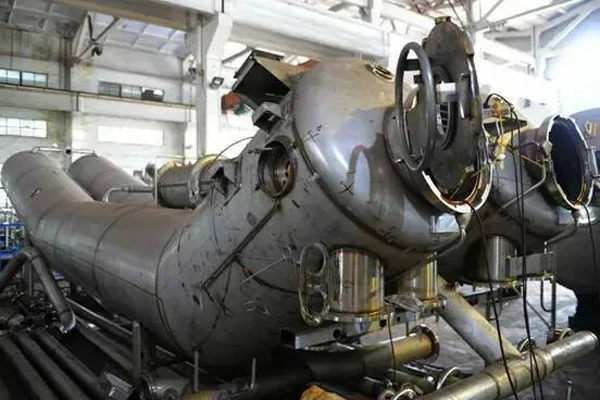
The custom fabrication process begins with a detailed assessment of the project requirements. This includes understanding the purpose of the pipes, the environment they will be exposed to, the desired specifications, and any industry or regulatory standards that need to be met. Factors such as pressure ratings, material composition, diameter, wall thickness, and end connections are carefully considered during the assessment.
Custom-fabricated heavy-duty steel pipes offer immense flexibility and reliability for various industrial applications. The meticulous process of assessing project requirements, material selection, design, fabrication, and quality control ensures that these pipes are tailored to withstand the specific demands of each project. With their exceptional strength, durability, and resistance to harsh environments, custom-fabricated steel pipes provide a robust solution for critical infrastructure and industrial projects around the world.
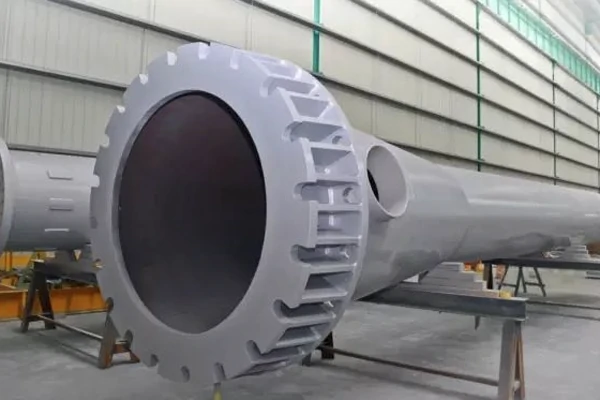
Openex is a reliable provider of a wide variety of pipe fitting services. Our capabilities also include pipe and tube fabrication and CNC pipe cutting and bending. Our skilled welders perform quality welds that adhere to industry standards such as ASME, and AWS. Openex offers quality pipe welding services in a multitude of processes on all kinds of materials including carbon steel, galvanized steel, stainless steel, and aluminum.
Our piping products include miscellaneous pipe fabrications, header pipes, pipe stanchions, and piping skids. Support the following industries:
Openex is proud of our rich history in building custom metal fabrications for various applications. All of our custom fabrication work is done at our advanced manufacturing facility and is made by our highly skilled workforce. Send us a free quote request at sales3@openex.com.cn for your special project today!
In today's industrial landscape, where efficiency and durability are paramount, custom fabrication plays a crucial role in meeting specific requirements. This article presents a project case study showcasing our company's expertise in fabricating custom heavy cylindrical housing for industrial driers. We leveraged our diverse capabilities and stringent quality control measures to deliver exceptional results that surpassed expectations and ensured the utmost customer satisfaction.
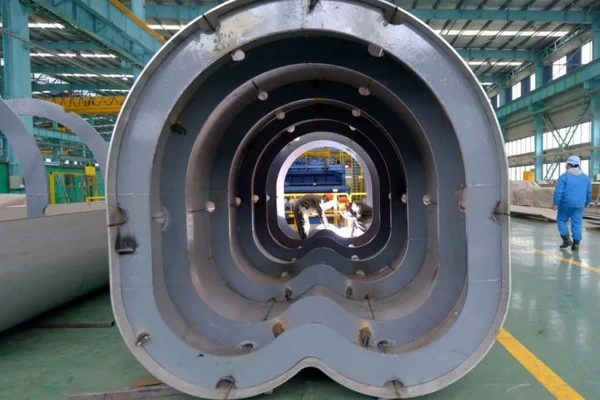
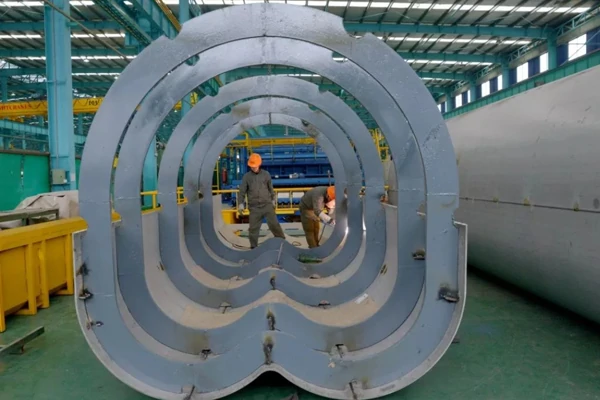
Our recent project involved the fabrication of cylindrical housings for industrial paddle driers. These housings were designed to be 2.5 meters in height and over 7.5 meters in length, using 12mm thick 304 stainless steel. The objective was to create robust enclosures capable of withstanding the demanding conditions encountered in industrial drying processes.
To meet the unique requirements of the project, our facility employed a comprehensive range of capabilities, including de-coiling, precision laser-cutting, beveling, forming, surface treatment, welding, and assembly. Let's delve into the fabrication process that allowed us to bring this project to life.
At Openex, we specialize in delivering custom fabrication solutions tailored to our clients' unique needs. We consistently exceed customer expectations with our diverse capabilities, cutting-edge technology, and unwavering commitment to quality.
Whether you require heavy cylindrical housings, intricate components, or complex fabrications, our team of experts is equipped to tackle any project. Contact us at sales3@openex.com.cn today to discuss how we can assist you in achieving your fabrication goals.
When you see large silos and bins towering over industrial sites, you may wonder how they are fabricated. These structures, designed to store and handle bulk materials, are not readily available off the shelf. They require custom fabrication to meet the specific requirements of each facility. In this article, we will take you through the process of how heavy silos and bins are custom fabricated.
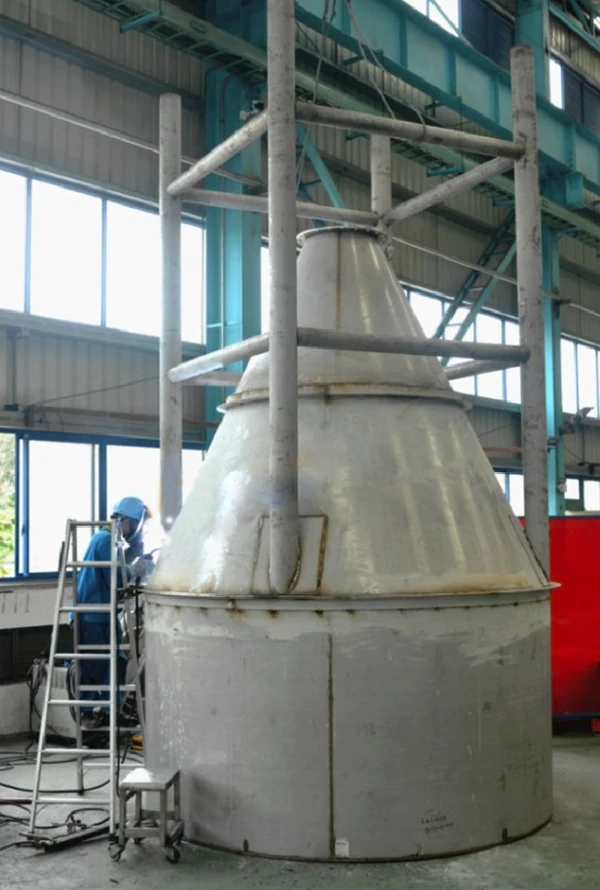
The fabrication of heavy silos and bins starts with a detailed design and engineering phase. An experienced engineer works closely with the client to understand their requirements and creates engineering drawings that outline the dimensions, materials, and structural specifications of the silos or bins.
These drawings serve as a blueprint for the fabrication process and are essential for ensuring that the final product meets the client's needs. They also help determine the materials and fabrication techniques to be used in the construction.
Once the design and engineering phase is complete, the next step is material selection. Heavy silos and bins are typically constructed using materials such as steel, concrete, or a combination of both. The choice of material depends on factors such as the intended use, required capacity, and environmental conditions.
If steel is selected, the fabrication process begins with the preparation of steel plates or sheets. These materials are carefully measured and cut to the required dimensions using shearing machines or plasma/laser cutting technology. The precision cutting ensures that the individual components fit together accurately during assembly.
After the materials have been prepared, the fabrication process begins. For steel silos and bins, the components are shaped, bent, and welded together to create the desired structure. Advanced welding techniques are used to ensure strong and durable joints.
During the assembly process, each component is carefully aligned and connected to form the complete silo or bin. Quality control checks are performed at various stages to ensure that the dimensions, alignment, and structural integrity of the structure meet the specifications.
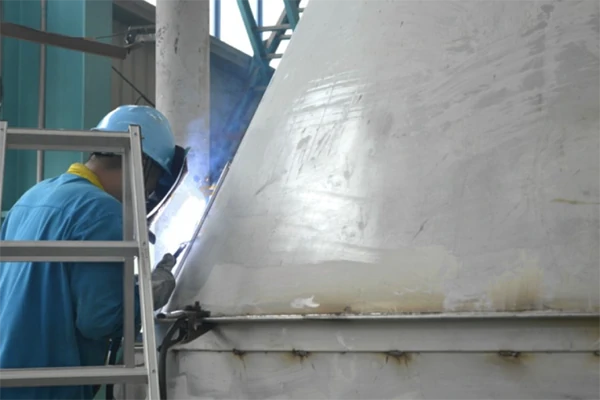
To protect heavy silos and bins from corrosion and other environmental factors, surface treatment and coating are applied. The surfaces are cleaned, and any rust or impurities are removed through methods like sandblasting or chemical cleaning. This process prepares the surfaces for the application of protective coatings.
A primer is typically applied to the cleaned surfaces, followed by one or more layers of specialized coating materials. These coatings provide a barrier against moisture, chemicals, and other potential causes of deterioration. The specific coating system used depends on factors such as the intended use, environmental conditions, and client preferences.
Once the fabrication, assembly, and coating processes are complete, a thorough inspection is carried out. Qualified inspectors assess the quality, structural integrity, and compliance of the heavy silos or bins with relevant industry standards. Any necessary adjustments or repairs are made at this stage.
Once the final inspection is passed, the custom-fabricated heavy silos or bins are prepared for delivery. They are disassembled into manageable sections to facilitate transportation and then shipped to the client's site. Specialized transportation methods are used to handle the large and often irregularly shaped components.
The custom fabrication of heavy silos and bins involves a detailed process that begins with design and engineering, followed by material selection, fabrication, assembly, surface treatment, and final inspection. Each step is crucial to ensure that the final product meets the client's requirements for storage and handling of bulk materials.
If you have any questions or require custom fabrication of heavy silos or bins, feel free to contact our expert team at sales3@openex.com.cn. We have the expertise and capabilities to deliver high-quality solutions tailored to your specific needs.
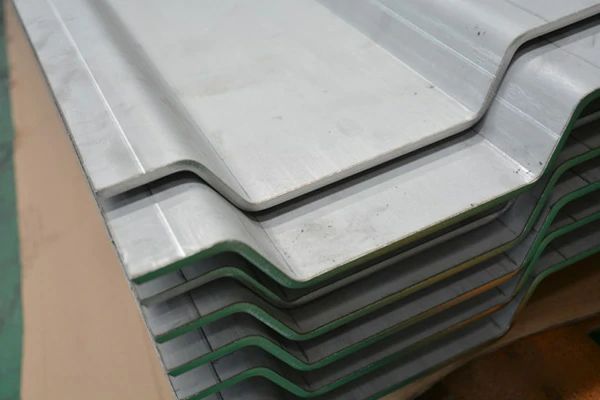
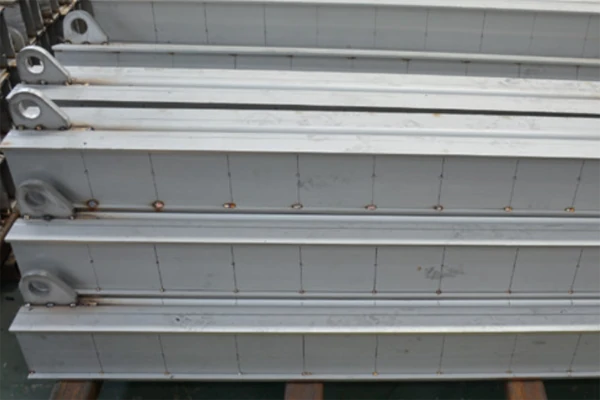
In today's demanding industrial landscape, specialized solutions are essential for addressing unique challenges. This project case study showcases Openex's exceptional capabilities in fabricating and delivering high-quality, heat-resistant containers for a high-temperature firing application. With expertise in stainless steel (SS) parts working and an array of advanced fabrication techniques, Openex successfully met the project requirements, ensuring the customer's satisfaction.
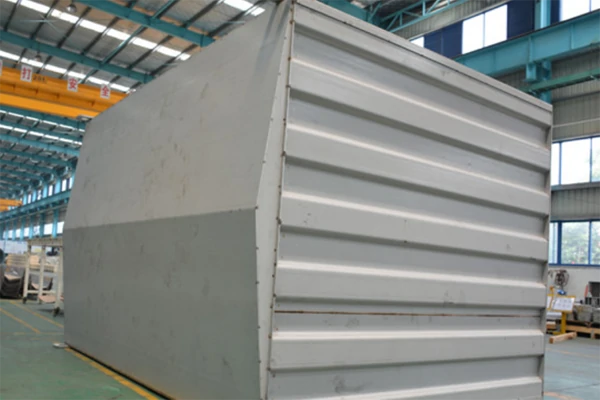
The project involved the fabrication of 50 sets of hot rolled SS 304 heat-resistant containers, along with their spare parts, ranging in thickness from 5mm to 10mm, and with a total weight of up to 150 tons. Openex was entrusted with the responsibility of executing the fabrication process, which included decoiling, cutting, bending, and welding.
Openex is a renowned leader in providing comprehensive stainless steel fabrication services. With years of experience and a track record of successful projects, Openex has established itself as a trusted partner in delivering customized solutions for various industrial applications. Our commitment to utilizing cutting-edge technology, combined with the expertise of our highly skilled workforce, ensures that we consistently meet and exceed customer expectations.
Whether your project requires complex fabrication processes, specialized materials, or adherence to stringent quality standards, Openex is equipped to deliver exceptional results. Contact us today at sales3@openex.com.cn to discuss your specific requirements and experience our expertise firsthand. Trust Openex for reliable, high-quality stainless steel fabrication solutions tailored to your needs.
Steel structures play a crucial role in various industries, providing durable and reliable support for a wide range of applications. One such application is industrial ventilation systems, which are essential for maintaining optimal air quality and circulation in industrial facilities. In this project case study, we explore the successful fabrication of steel structural parts for a renowned paper industry ventilation system supplier. We will delve into the fabrication process, highlighting the meticulous planning and execution that ensured both high-quality production and improved efficiency.
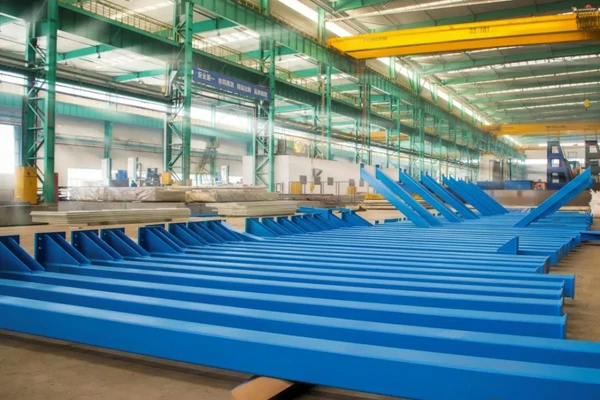
The project involved the fabrication of approximately 1,000 structural parts of varying sizes for an established and well-respected industrial ventilation system manufacturer in the pulp and paper industry. To initiate the collaboration, our company underwent a thorough factory audit, demonstrating our capabilities in machine tools performance, process management, quality assurance, and logistics.
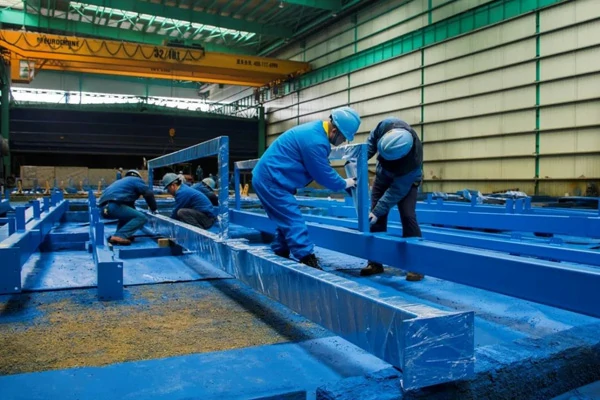
As a leading provider of steel fabrication services, Openex takes pride in delivering exceptional results for diverse industrial applications. With a team of experienced professionals, state-of-the-art equipment, and a focus on quality, we ensure that each project is executed to the highest standards. Our expertise in fabricating steel structures for industrial ventilation systems enables us to contribute to the efficiency and productivity of numerous industries.
If you require reliable and high-quality steel fabrication solutions for your industrial ventilation projects or any other structural requirements, we are here to assist you. Contact us today at sales3@openex.com.cn or at WhatsApp +8613603452751 to learn more about our services and how we can meet your specific needs.