
+86 186 5928 0806
The demand for barreled water has been steadily increasing over the years, leading to a rise in the production of Barreled Water Production Lines. These production lines require reliable and efficient sheet metal assemblies to ensure smooth and uninterrupted operation. This article presents a project case where our company successfully fabricated stainless steel parts for a Barreled Water Filling Production Line, meeting tight schedules and delivering high-quality products.
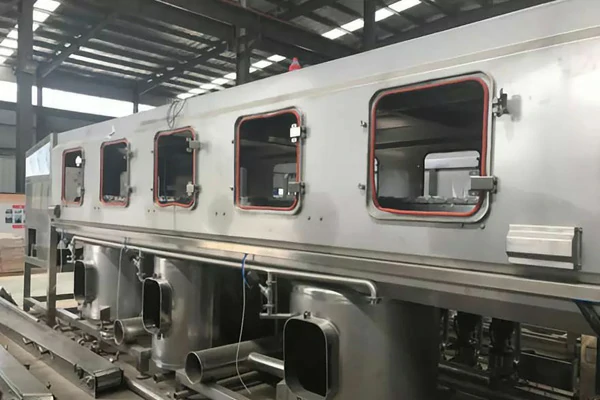
The fabrication process for the sheet metal assemblies involved several critical steps, including decoiling, filming, cutting, bending, welding, and assembling. Each of these processes demanded precision and expertise to ensure the final product's durability, functionality, and compatibility with the production line.
One of the major challenges faced during the project was the tight schedule. The client required the fabrication of the stainless steel parts within a limited timeframe to avoid delays in their production line setup. Additionally, the complexity of the assembly required meticulous attention to detail and effective coordination among the various fabrication processes.
Fabrication Process Details:
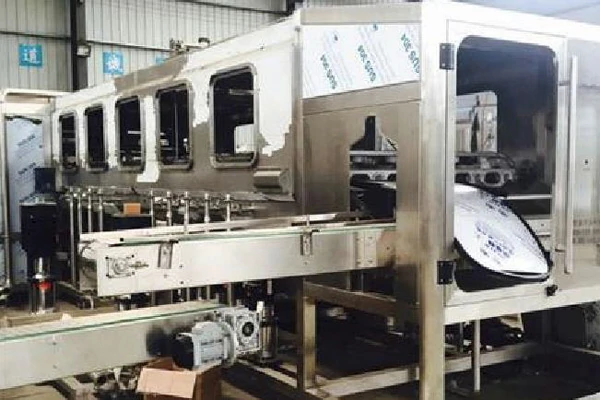
As a one-stop service center, our company was uniquely positioned to handle this project efficiently. The advantage of being a comprehensive service provider became apparent as we focused on reducing variation, setup time, handling time, and overall lead time for the fabrication process.
At Openex, we specialize in providing comprehensive sheet metal fabrication solutions for various industries. With our state-of-the-art facilities, experienced workforce, and commitment to quality, we ensure that our clients receive top-notch products that meet their specific requirements.
Whether it's barreled water machines or any other sheet metal fabrication needs, we strive to deliver exceptional results within tight schedules. Our one-stop advantage, coupled with our expertise in various fabrication processes, allows us to streamline production and reduce lead times while maintaining uncompromising quality.
To learn more about our sheet metal fabrication capabilities or discuss your project requirements, contact us at sales3@openex.com.cn. We look forward to assisting you in your next sheet metal assembly project.
In today's rapidly evolving industrial landscape, the demand for robust and reliable solutions to address water-blocking challenges has never been more critical. This project case explores a remarkable endeavor that required the fabrication of 60 sets of industrial metal structures using 316L stainless steel. With a focus on high corrosion resistance, stringent dimensional requirements, and qualified seal testing, the project was successfully completed within tight time constraints. Utilizing cutting-edge machinery and a steadfast commitment to quality, the team triumphed in delivering exceptional results.
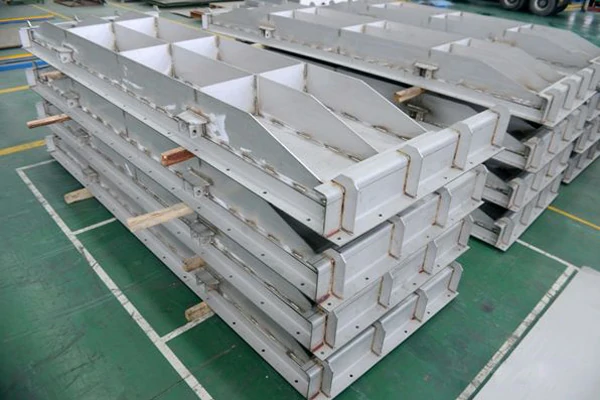
The fabrication process for these industrial metal structures involved a range of intricate operations, including laser cutting, bending, welding, and assembly. Each step played a pivotal role in achieving the desired outcome.
To combat the corrosive nature of water, the choice of 316L stainless steel was deliberate. Known for its exceptional corrosion resistance properties, this material offered longevity and durability, safeguarding against degradation caused by moisture exposure. Rigorous seal testing procedures were conducted to validate the effectiveness of the fabricated metal structures in preventing water ingress, meeting the project's stringent quality standards.
To accomplish this demanding project within the specified timeframe, cutting-edge machinery played a vital role. The German Trumpf CNC punching machine, renowned for its precision and efficiency, facilitated the swift production of accurately cut components. The Colgar SpA 1600T press brake further expedited the process, enabling efficient bending operations. With a collaborative and dedicated team committed to meeting the project's objectives, the high-quality metal structures were successfully delivered on schedule.
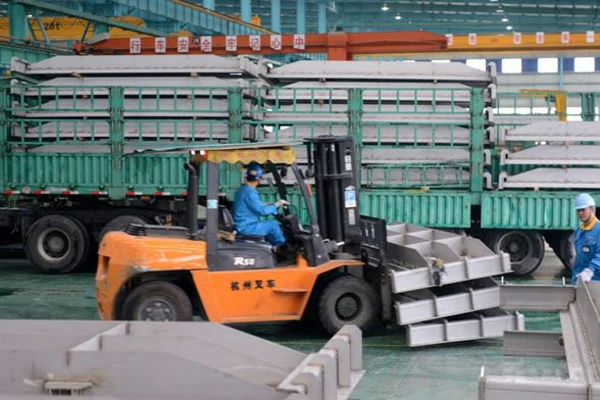
As a reputable fabrication company, we take immense pride in our ability to deliver innovative solutions for a wide range of industrial challenges.
At Openex, we strive for excellence in every endeavor. Our commitment to delivering high-quality products ensures our clients receive outstanding solutions that meet and exceed their expectations. Contact us today at sales3@openex.com.cn to discuss your fabrication needs and witness firsthand how we can contribute to your success.
In the pursuit of clean and sustainable energy solutions, the global demand for photovoltaic power generation projects has witnessed a significant upsurge in recent years. These ambitious ventures necessitate a reliable supply of metal weldments to ensure the seamless operation and longevity of photovoltaic power facilities.
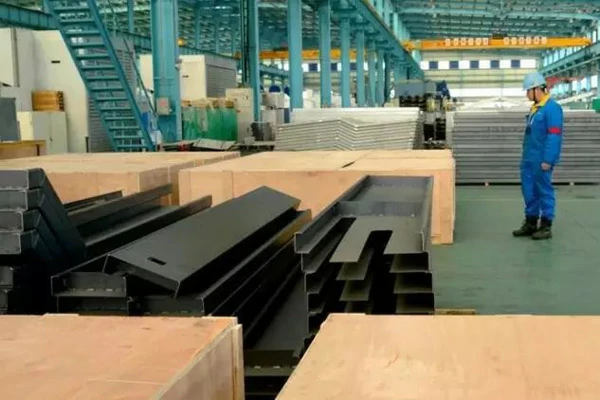
In early June, We proudly contributed to the realization of a large-scale photovoltaic power in Egypt by providing a substantial quantity of high-quality metal parts, meticulously fabricated and welded to meet the stringent standards set forth by the American Welding Society (AWS) and its Welding Procedure Qualification Record (PQR).
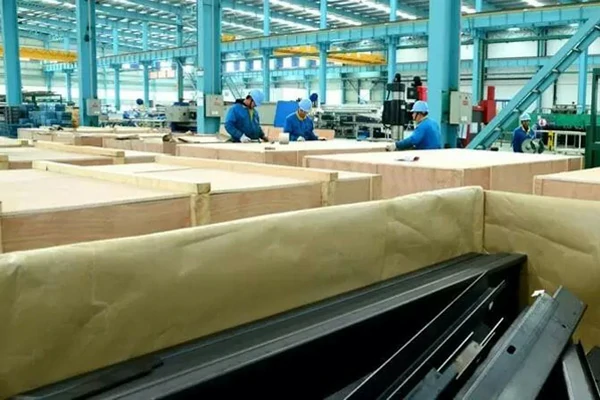
To fulfill the exacting requirements of the project, our team, under the expert guidance of foreign welding specialists, embarked on a comprehensive manufacturing process that prioritized precision and reliability. Understanding the pivotal role of welding in ensuring the structural integrity and efficiency of the photovoltaic power generation system, we meticulously adhered to the AWS welding standards throughout the fabrication process.
The initial phase involved conducting a series of rigorous test welds using three different types of welding wire specifically selected to match the corresponding base materials. By subjecting these weldments to meticulous examination and testing, we ensured that they surpassed the prescribed quality benchmarks. The successful outcome of these tests attested to our commitment to excellence and fortified our confidence in the manufacturing process.
Recognizing the importance of meeting project deadlines, we invested in cutting-edge equipment to optimize efficiency without compromising quality. Acquiring two sets of flexible welding platforms and six sets of high-performance welding machines bolstered our capacity to deliver the required volume of weldments within the stipulated timeframe. This strategic decision guaranteed seamless production and allowed us to cater to the unique demands of the photovoltaic power generation project.
Furthermore, we established a dedicated packaging and shipping team to ensure the secure and standardized packaging of the metal parts. By adhering to meticulous packaging protocols, we safeguarded the integrity of the weldments during transit, assuring their arrival in pristine condition at the project site.
The successful completion of this noteworthy project serves as a testament to our comprehensive service capability, encompassing advanced processing technology, refined manufacturing processes, and a robust logistics system. By delivering superior-quality weldments for this large-scale endeavor, we have further cemented our reputation as a leading provider of engineering support and project services in the industry.
As the global focus on renewable energy intensifies, the significance of photovoltaic power generation projects continues to grow. At our company, we remain dedicated to supporting this crucial sector by supplying top-notch metal weldments that adhere to the highest industry standards. The successful collaboration with the solar project in Egypt showcases our commitment to precision, excellence, and customer satisfaction.
With an unwavering dedication to delivering innovative solutions, we invite you to explore our range of services and discover how we can contribute to the success of your upcoming projects. Contact us today at sales3@openex.com.cn to learn more about our capabilities and discuss how we can partner with you to achieve your goals in the realm of metal fabrication and welding for renewable energy initiatives.
Metal fabrication, a versatile manufacturing process, plays a vital role in advancing the field of photovoltaic (PV) power generation. From providing structural support to enabling customized designs, metal fabrication contributes significantly to the efficiency, durability, and overall success of industrial-scale solar installations.
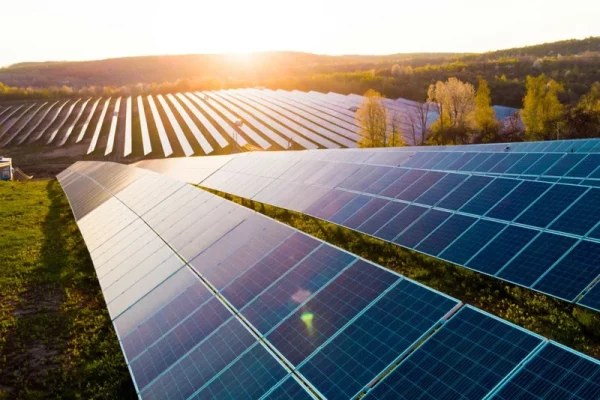
Here are the main parts of the photovoltaic power generation process that involve metal fabrication:
It's important to note that the specific parts and components involved in metal fabrication can vary depending on the design and type of photovoltaic system, as well as the manufacturer's specifications. Metal fabrication techniques are used to create durable, reliable, and efficient components for the photovoltaic power generation process.
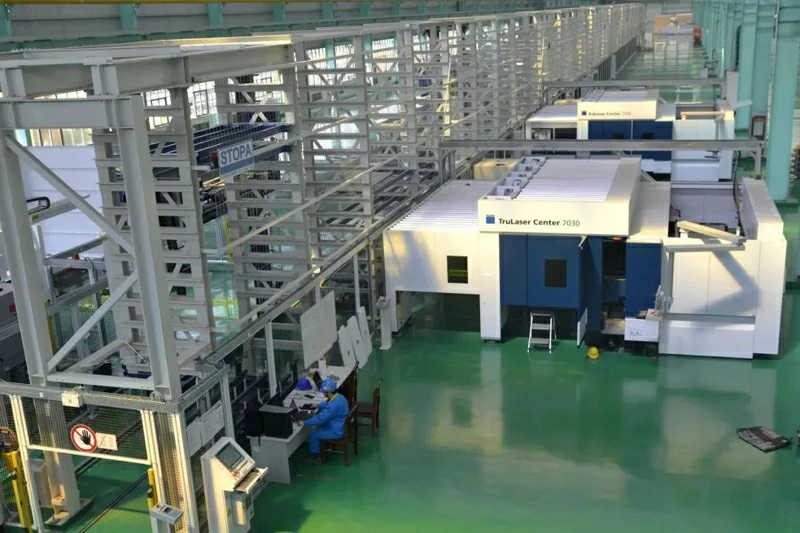
As one of the professional metal fabrication companies, Openex plays a significant role in supporting photovoltaic power generation in the following ways:
Our metal fabrication capabilities involved cutting, bending, plate rolling, welding, drilling, machining, and assembly. The use of high-quality metals and precise fabrication techniques is crucial to ensure the durability, strength, and safety of the photovoltaic power generation system.
If you're involved in the photovoltaic power generation industry and in need of high-quality metal components, don't hesitate to reach out to us at sales3@openex.com.cn, a reputable metal fabrication company. Take advantage of our expertise in custom fabrication, material selection, and production efficiency to enhance the performance and durability of your photovoltaic systems.
Whether you require solar panel frames, mounting systems, junction boxes, electric enclosures, or other metal components, we can provide tailored solutions to your needs. Collaborate with us to optimize designs, ensure quality manufacturing, and achieve cost-effective production.
Investing in reliable metal components from a trusted metal fabrication company will contribute to the success and long-term sustainability of your photovoltaic power generation projects. Take the next step today and connect with us to support your solar energy endeavors.
In the pursuit of innovation and sustainability, well-known environmental protection enterprises are constantly seeking reliable partners to provide them with high-quality components. Recently, a well-known environmental protection enterprise partnered with us for the supply of custom-made tube sheets. These tube sheets, consisting of 10 pieces, with a diameter of 3197mm and a thickness of 30mm, were meticulously manufactured and successfully delivered to the customer.
Tube sheets play a crucial role in various industrial applications, particularly in heat exchangers, condensers, and boilers. These vital components provide support and secure the tubes in a fixed position, facilitating the efficient transfer of heat or fluid. Tube sheets are typically constructed using high-quality materials to withstand extreme conditions and maintain structural integrity over an extended period.
One important aspect of tube sheet manufacturing is the creation of accurately aligned holes for tube insertion. These holes must be precisely drilled to ensure a tight fit and optimal performance. We use advanced multi-hole CNC drilling machines, enabling us to achieve high efficiency and accuracy in hole production. The state-of-the-art machinery significantly reduces manufacturing time without compromising quality.
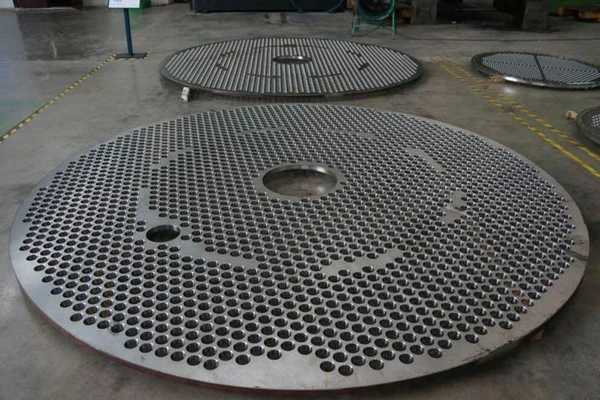
The manufacturing process of these custom-made tube sheets involved several intricate steps, each crucial in achieving the desired end product. Let us delve into the key stages:
Throughout the manufacturing process, stringent quality control measures were implemented to guarantee the highest standards of performance and reliability. The deformation of the leveling was closely monitored and controlled within a strict limit of 3mm to ensure optimal flatness. The utilization of submerged arc welding, combined with plasma gas planing for root cleaning, helped avoid weld carburization and preserve the mechanical properties of the welds. These measures played a crucial role in ensuring the longevity and efficiency of the tube sheets.
With extensive experience in custom manufacturing, we possess the expertise, advanced technology, and skilled workforce necessary to meet diverse customer requirements.
We specialize in the production of high-quality tube sheets, along with a wide range of other precision components, catering to various industries. Our commitment to innovation, strict quality control, and timely delivery have earned us a stellar reputation as a trusted partner in the manufacturing sector.
If you are in need of custom-made metal components or have specific project requirements, feel free to contact us today at sales3@openex.com.cn. Our dedicated team is ready to collaborate with you, providing tailored solutions to drive your business forward.
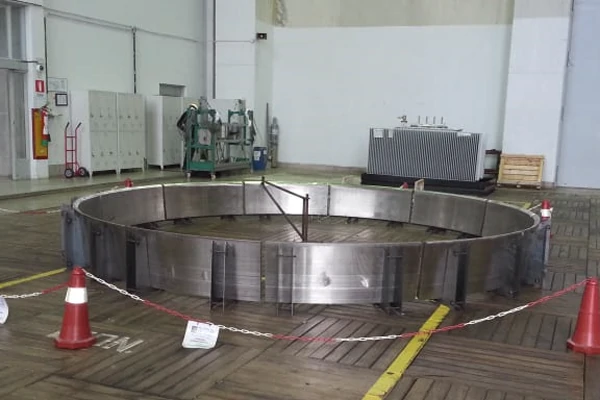
In the pursuit of renewable energy sources, hydroelectric power plays a crucial role in generating clean electricity. Water turbines, essential components of hydroelectric power plants, harness the power of flowing water to produce sustainable energy. Within these turbines, precision machined parts, such as the water turbine ring, play a vital role in ensuring optimal performance and efficiency. In this project case, we will delve into the manufacturing process of water turbine ring parts and their successful export to URU, highlighting the high machining accuracy and quality achieved.
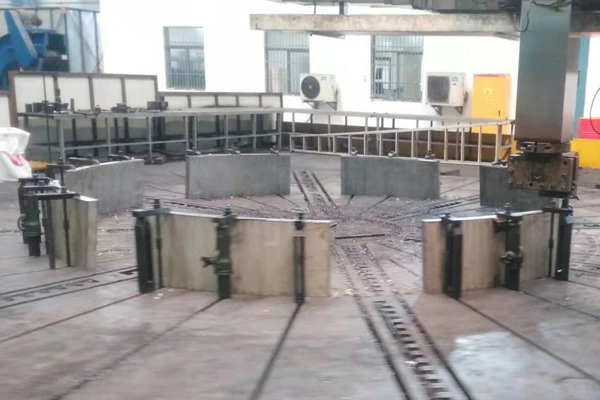
The project involved the production and export of water turbine ring parts, designed to meet the exacting requirements of hydroelectric power plants in URU. Precision and accuracy were paramount in order to ensure seamless integration with the customers' equipment. The manufacturing process comprised multiple stages, with meticulous attention paid to each step to deliver superior quality products.
Following the rigorous manufacturing process, the water turbine ring parts were ready for installation. Thanks to the high machining accuracy and quality achieved, the components seamlessly fit into our customers' equipment, facilitating efficient energy generation. The successful integration of these precision-machined parts underscored the effectiveness of our manufacturing processes and highlighted the importance of meticulous attention to detail.
At Openex, we take pride in our expertise in precision machining and our commitment to delivering superior quality products to our clients. With our state-of-the-art facilities and highly skilled workforce, we consistently strive to exceed expectations and meet the evolving demands of the renewable energy industry.
As a leading manufacturer of precision machined components, we possess a rich portfolio of successful projects, including water turbine ring parts for hydroelectric power plants. Our focus on cutting-edge technology, stringent quality control, and customer satisfaction has earned us a reputation for excellence in the industry.
If you require precision machined components for your renewable energy projects or any other industry, contact us today to discuss how our expertise can contribute to the success of your projects.
The welded steel structure is a machine tool bed. The manufacturing process includes cutting, bending forming, welding, thermal stress relieving, coating, machining, CMM inspection, finishing, etc.
The welded tool bed is a main structural element of a machine tool that is used for the production of auto parts.
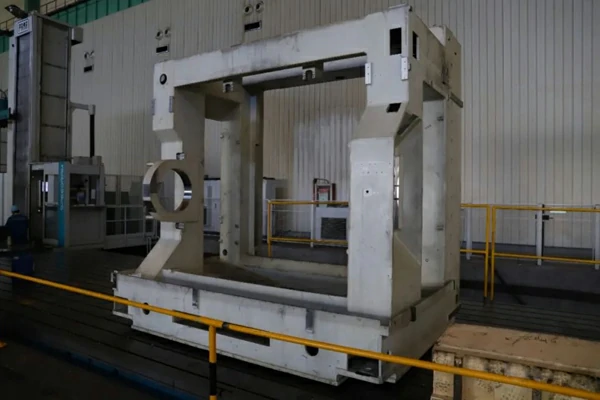
Machine tool beds can be made from a variety of materials, including cast iron, steel, and aluminum. They can be machined from a solid block of material, welded together, or a combination of both. Generally, the machine tool bed is machined from a solid block of material like steel castings, iron castings. Machine tools that are made from a solid block of material are often more accurate and have a longer lifespan. However, machine tools that are made from a solid block of material are typically more expensive than machine tools that are made from welded steel structures.
A welded machine tool bed is a bed that is made by welding together two or more pieces of steel. The pieces of steel are typically cut to the desired shape and size, and then they are welded together to create the bed.
There are several advantages to using a welded machine tool bed. First, it is a relatively inexpensive way to create a strong and rigid bed. Second, it is a versatile process that can be used to create beds of different shapes and sizes. Third, it is a relatively easy process to customize to meet the specific needs of the application.
A welded machine tool bed is a good choice for applications where a strong, rigid, and relatively inexpensive bed is required. It is important to make sure that the welds are properly made and that the structure is strong enough to withstand the forces that will be applied to it.
Openex is a leading fabrication company that has been providing top-quality metal fabrication and machining services for over two decades. With a wealth of experience and expertise, we have proven track records of providing exceptional metal fabrication services for a wide range of industries, including aerospace, automotive, defense, and more. We have the capability to work with a variety of materials, including steel, aluminum, brass, and copper, and we are equipped with the latest technology to ensure the highest level of precision and accuracy.
At Openex, we understand the importance of meeting our clients' unique needs and requirements. That is why we offer customized metal fabrication solutions tailored to each project. With our rich experience and strong capability in various industries metal fabrication and machined parts, we are confident in our ability to deliver the highest quality products and services.
Whether you need a welded or cast machine tool bed, or any other type of metal fabrication project, you can trust Openex to get the job done right.
The growing demand for renewable energy sources has led to an increased focus on photovoltaic power generation systems worldwide. In this case, we explore the successful fabrication of steel structural parts for a large-scale photovoltaic power project. These structural components play a crucial role in supporting solar panels, ensuring their stability and longevity. The project showcases the meticulous manufacturing process, adherence to quality standards, and collaboration with industry-leading suppliers to meet customer requirements.
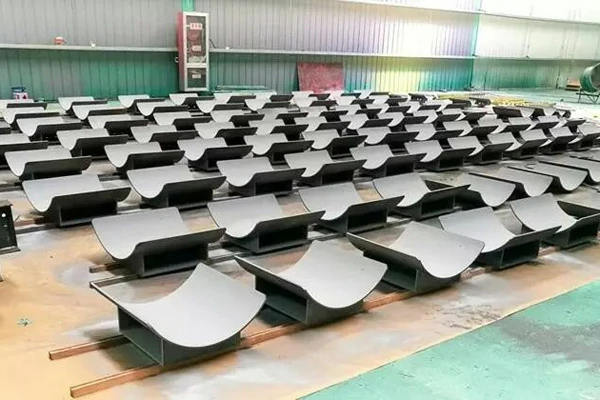
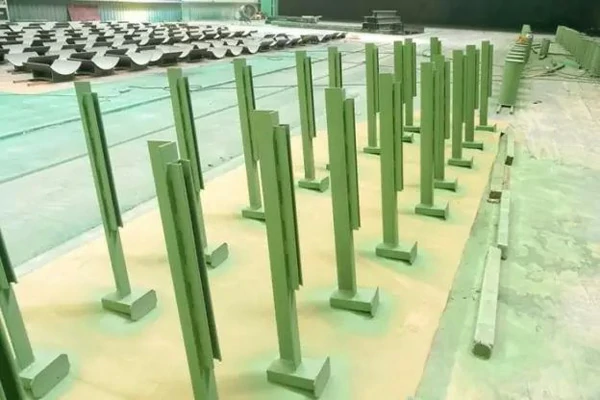
The project involved the fabrication of supporting structural parts for a solar photovoltaic power generation system of an Israeli customer. These parts encompassed 11 different specifications, totaling over 400 individual pieces. Recognizing the importance of precision and reliability in the final product, the customer provided standardized documentation requirements for process control throughout various stages, including cutting, bending, plate rolling, welding, inspection, and painting.
The fabrication process commenced with the careful selection of high-quality steel materials. The use of sturdy and durable steel was imperative to withstand the rigors of outdoor environments and ensure the longevity of the photovoltaic power system.
Through dedicated efforts and collaboration, the steel structural parts fabrication project for the photovoltaic power project garnered praise from the Israeli customer. The high-quality craftsmanship, adherence to strict documentation requirements, and attention to detail throughout the manufacturing process were key factors contributing to the customer's satisfaction.
As a company committed to delivering superior products and services, we take pride in our expertise in stee l fabrication for renewable energy projects. With a skilled team of professionals and a track record of successful collaborations, we consistently meet and exceed customer expectations.
Whether you require steel structural parts fabrication for photovoltaic power projects or any other projects, we are ready to provide tailor-made solutions to meet your specific needs. Contact us at sales3@openex.com.cn today to discuss your requirements and discover how our expertise can contribute to the success of your project.
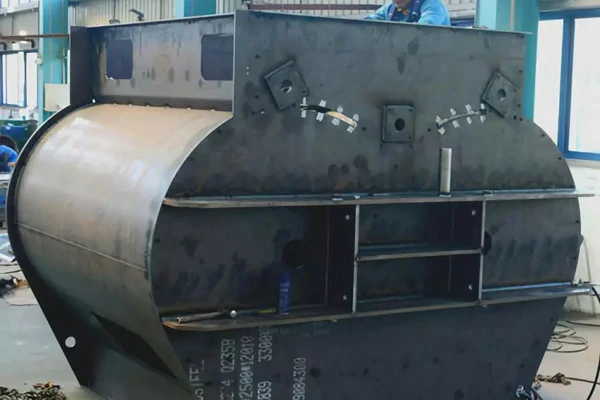
Heavy metal fabrication plays a crucial role in the manufacturing industry, enabling the production of robust and durable equipment used in various sectors. One such project involved the custom fabrication of a Two-axis paddle type high-efficiency mixer, which serves as the primary equipment in a feed-processing facility.
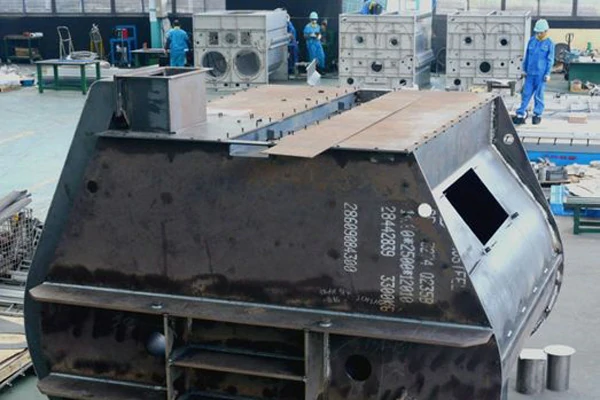
The fabrication process for the mixer of the feed machinery involved a series of intricate steps, ensuring the precise construction of the equipment. The main materials utilized included carbon steel plates, stainless steel plates, profiles, and precision machined parts. These materials were carefully selected for their strength, durability, and resistance to corrosion, ensuring the longevity and reliability of the final product.
The culmination of the fabrication process resulted in the creation of a Two-axis paddle type high-efficiency mixer of exceptional quality and durability. The final equipment exhibited robustness, excellent performance, and the ability to withstand the demanding conditions of the feed-processing industry. With a net weight of 4.1 tons, it exemplified the strength and sturdiness required for heavy-duty operations.
At Openex, we specialize in heavy metal fabrication, leveraging our expertise and advanced facilities to meet the diverse needs of industries such as feed processing. With a dedicated team of skilled professionals and state-of-the-art equipment, we are committed to delivering high-quality, custom-made solutions to our clients.
Whether it's a complex mixer for feeding machinery or any other heavy metal fabrication project, we pride ourselves on providing exceptional craftsmanship, precision, and attention to detail. With years of experience, we have established a strong reputation for delivering projects on time and within budget.
To learn more about our capabilities and how we can assist you with your heavy metal fabrication requirements, contact us at sales3@openex.com.cn. Our team of experts is ready to provide personalized solutions tailored to your specific needs.
Choose Openex for your next heavy metal fabrication project and experience the difference of unmatched quality and professionalism.
In the world of pharmaceutical manufacturing, where precision and quality are paramount, the fabrication of metal components plays a crucial role. We recently undertook a project involving the fabrication of 100 sets of metal assemblies for a pharmaceutical venture. These assemblies included various essential components such as a liquid bath, electric cabinet, packing machine, and more.
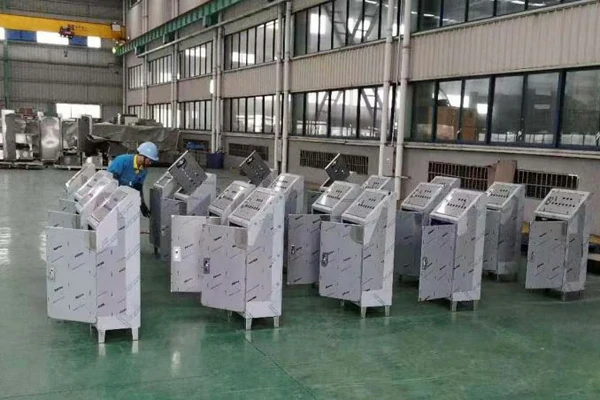
Metal assembling serves as the backbone of various industries, including pharmaceuticals. It involves the integration and construction of metal components to create functional units. In this project, our team was entrusted with the responsibility of fabricating diverse metal assemblies that met the rigorous requirements of the pharmaceutical field. To ensure the utmost precision and durability, we utilized high-grade 304L (cold rolled) stainless steel, known for its excellent corrosion resistance and mechanical properties.
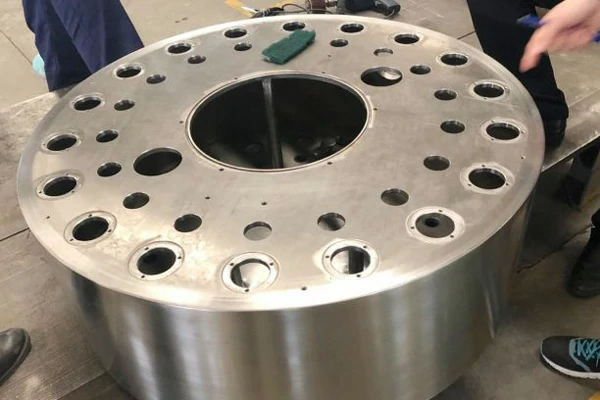
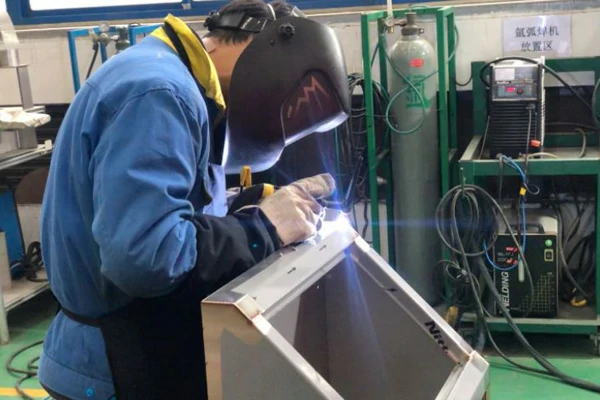
Through meticulous material performance control, thoughtful processing process design, and effective surface protection strategies, we successfully fabricated a batch of high-quality metal assemblies for our pharmaceutical project. Our commitment to precision and quality ensured that the final products met and surpassed the stringent requirements set forth by the pharmaceutical industry. We take pride in our expertise in metal fabrication, which enables us to deliver exceptional solutions to our clients.
At Openex, we are a leading provider of custom metal fabrication solutions. With years of industry experience and a dedicated team of professionals, we have established a strong reputation for delivering precision-engineered products across various sectors. Our commitment to quality, innovation, and customer satisfaction drives us to continually push the boundaries of excellence.
If you have a metal fabrication project or require expert advice, we invite you to get in touch with us today at sales3@openex.com.cn. Together, we can turn your vision into reality and deliver exceptional results that exceed your expectations.