
+86 186 5928 0806

What is Sheet Metal Fabrication? Sheet Metal fabrication Application & Techniques

Introduction

Sheet metal Fabrication is a value-added process that involves the creation of machines parts, panels, and structures from various steel sheet as raw materials. Sheet Metal fabrication jobs usually start with design drawings including precise measurements as per customer or product specifications. The sheets are then move to the fabrication stage where different parts of design specified are cut from sheets or punched, bent, formed, deep drawn, and finally all the parts are welded or fastened to give final products. Some of the items may be joined at installation stage of the final product / project.

Typical sheet metal fabrication projects include loose parts, structural frames for machines and equipment ranging from domestic appliances viz washing machine, refrigerator and furniture items viz stairs and hand railings fences for buildings to industrial machine panels, automobile body parts.

The Application of sheet metal fabrication

The global sheet metal market can be bifurcated into automobile, aerospace, building & construction for roofing/ panels etc, steel pipes and tube industries, Air-Conditioning Ducts Pipe, agricultural machinery, shipbuilding, and others machinery viz industrial, chemical, pharma, food, etc as well as in in furniture, utensils, consumer durable and electronic and computer industry, etc. The products are used in large volumes. Steel sheets of various grades, stainless steel, Aluminum and brass, copper etc sheet metals parts are being consumed in variety of equipment.

The main industries that require the sheet metal components are all types of automobiles, off road, heavy vehicles for body and other components, domestic white goods, electronics for equipment chassis, material handling and mining, electrical control panels and internal components like cable trays, rails etc., Industrial machine casings, guards, housing and construction industry, medical equipment, defense and aviation sector.

The market analysis identifies the growing demand for fabricated metal products. Though most manufacturing companies produce only a limited range of products, the requirement of fabricated metals has been considerably high in automotive and consumer durable/ appliances segments and other machinery segments.
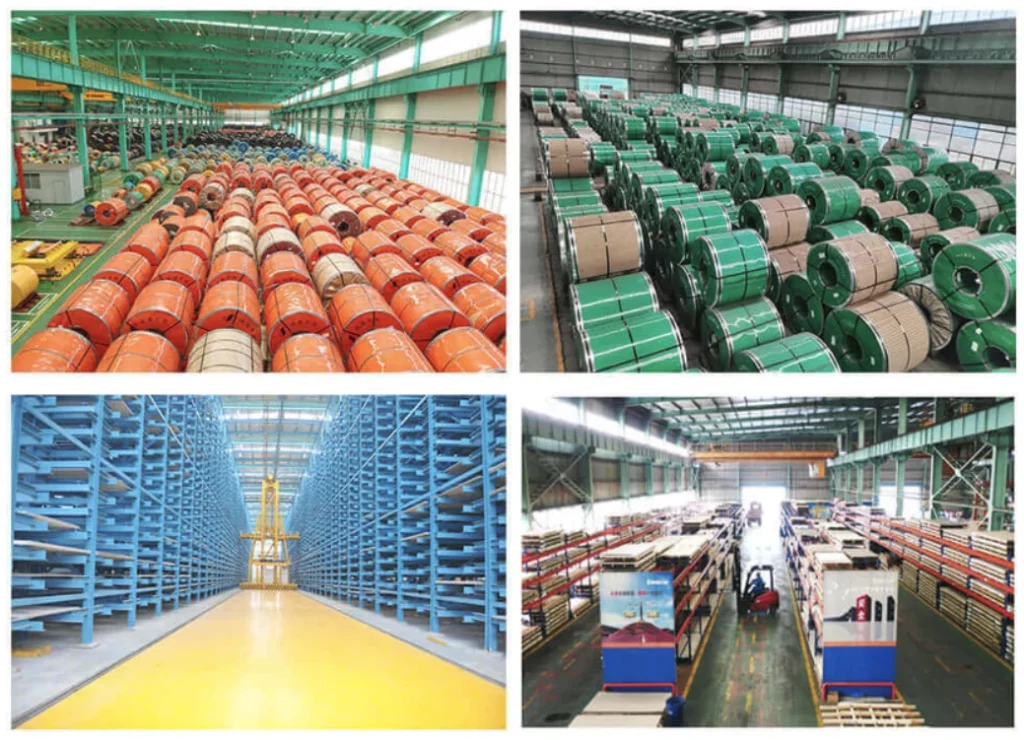
Types of Sheet Metal Fabrication Materials

metal material stock

Sheet metal can come in a wide variety of types, and fabrication can adapt the metal to whatever purposes you may need. Types of common metals used in sheet metal fabrication include:

  • Steel
    There are a multitude of types of steels for all sorts of purposes, such as stainless steel, carbon steel, and galvanized steel, but the metal as a whole is known for its durability and strength. Lower-carbon content steel may be found in railings or fences, while medium carbon content steel is used for cars and appliances. The highest carbon content sheet metal is frequently found in steel wires. Stainless steel is used for cookware, medical instruments, and many other products.
  • Aluminum
    Aluminum is more lightweight while also sharing some of steel's strength. It's good for lower temperatures, which partially accounts for its use in aerospace and refrigeration. Aluminum sheet metal is also used for automotive parts, electrical devices, and cooking vessels.
  • Magnesium
    Magnesium is a structural metal with a very low density, excellent for when stiffness is needed. It has been used as a structural metal in the transportation industry since World War II and is used for automotive parts.
  • Brass
    Brass has useful acoustic properties, but is also used often for fittings and components. It is lightweight and corrosion-resistant metal and has a high tensile strength.
  • Bronze
    Bronze sheet metal has a low melting point and is stronger than copper, with applications in coins, cookware, and turbines.
  • Copper
    Copper is ductile, malleable, and electrically conductive, as well as corrosion-resistant. Copper metal sheet is often used for conductors, electrical parts, ornaments, and jewelry.

Techniques of Sheet Metal Fabrication Processes

Sheet Metal fabrication involves various processing technologies ranging from most common to advanced system depending on size, shape, other complexities, precision of components as well as volume to be produced.

Sheet metal fabrication is a process that can be performed using multiple different methods or approaches. Here are some of these methods:

 Cutting

plasma cuttingEvery fabrication process begins with sheet metal cutting. The cutting method used depends on the thickness of the metal and the project’s specifications. Several ways you could cut metal for your project include:
  • Water jet – Waterjets are, by far, the most useful and cost-efficient method of cutting a variety of materials. These industrial machine tools use a combination of water and an abrasive substance to cut virtually anything, including: Stainless steel, Carbon steel, Aluminum, Titanium, Plastics, Copper, Brass, Rubber, Glass, Ceramics, and Stones like granite and quartz.
    Waterjets work by using high-pressure pumps, which reach speeds of anywhere from 30hp to 100+ hp, to force water out through the nozzle (commonly referred to as the “head”) to cut your material. Almost all jets have an “abrasive hopper system.” This feature incorporates a metered flow of granular abrasive, usually garnet, to aid in cutting the aforementioned materials.
  • Laser Cutting - Laser cutting uses a high-power laser which is directed through optics and computer numerical control (CNC) to direct the beam or material. Typically, the process uses a motion control system to follow a CNC or G-code of the pattern that is to be cut onto the material. The focused laser beam burns, melts, vaporises or is blown away by a jet of gas to leave a high-quality surface finished edge.
  • Plasma Cutting - Plasma cutting systems use an accelerated jet of extremely hot, electrically ionized gas (plasma) to form an electric channel from the cutting head through the workpiece, and then back to the cutting head. These fabrication machines can be found in a number of different operations because they are fast, precise with their cuts, and are relatively inexpensive to operate.
  • Torching - Cutter torches are also used quite commonly when it comes to cutting large cross-sectioned steel pieces. Their speed is impressive, but it does use extreme temperatures to perform the cut in the first place, so the cutting areas are treated as heat-affected zones.
    It is worth noting that the cooling style for all the parts that have been cut with this tool does affect some of the properties that steel has, so it’s important to keep that in mind when choosing the cutting tool to use.
    These torches can also be controlled by computers (CNC type) to speed up the process even more. Additionally, there is an alternative to this that uses a highly-focused laser to cut steel parts, and the cutter torch itself is mostly powered by natural gas as the energy source.
  • Shearing – Here at Eckstrom Industries Inc., we shear metal using two offset blades, similar to large scissors. The sheet metal is held flat and the top blade is brought down onto the surface, pushing the metal down onto the bottom blade. We also have a variety of smaller, hand shears which can be used to manually cut smaller and thinner pieces of sheet metal. Hand shears are the way to go for smaller projects!
  • Sawing – We use circular saws and bandsaws to cut metal sheets that are too thick to be cut via shearing, water jet, or torch. Sawing is a longer and more intensive process, which is why it’s reserved for especially thick material.

Bending 

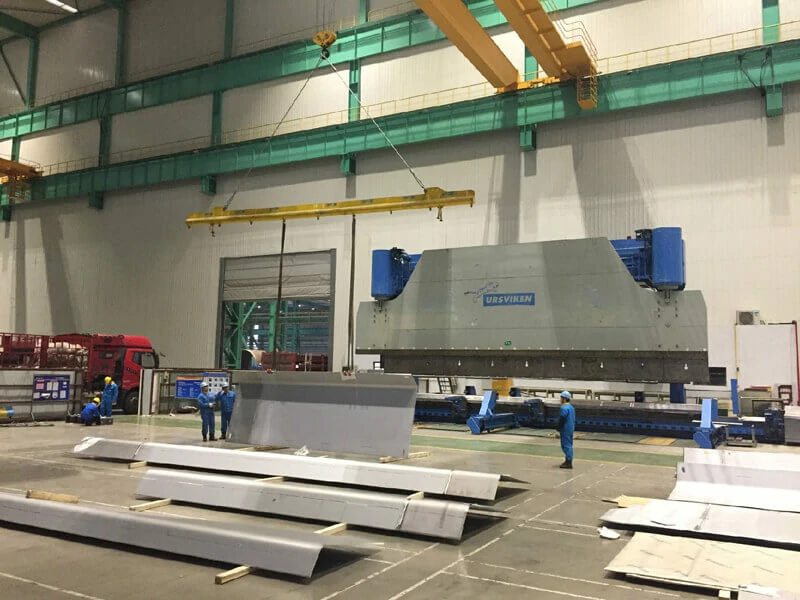
URSVIKEN L Press Braking Machine

Bending is one of the most common sheet metal fabrication operations. Also known as press braking, flanging, die bending, folding and edging, this method is used to deform a material to an angular shape.
  •  Metal brake – This involves placing one end of the sheet metal inside a gate, with the other end being clamped in place with a bar. The portion of the metal stuck inside the gate gets lifted, while the part which is under the bar stays put. The metal brake creates the necessary bends in the metal. Here at Eckstrom Industries Inc., this is how we do the majority of our bending work.
  •  Roll Bending – Roll bending is a method used to bend sheet metals into rolls or curved shapes. The process employs a hydraulic press, a press brake, and three sets of rollers to make different bends or a big round bend. It is useful in forming cones, tubes, and hollow shapes as it takes advantage of the distance between its rollers to make bends and curves.

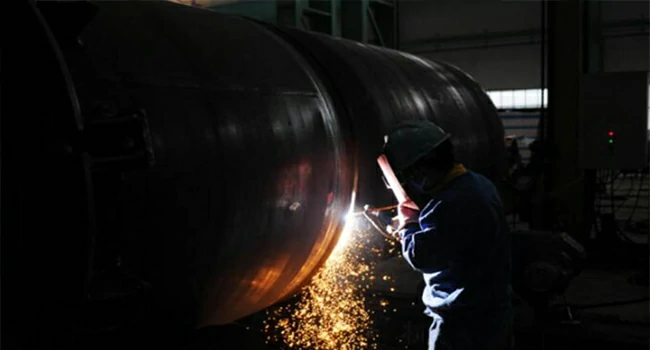
Welding

welding

Welding is defined as the process that joins together two pieces of metals with similar melting points and compositions using fusion. Some of the most common welding processes include:
  • MIG welding – This is an arc welding process where a continuous wire electrode is fed through your welding gun and into the weld pool. To protect the pool from contamination, a shielding gas is also fed through your gun.
  • TIG welding – This welding method uses an electric arc and infusible tungsten-based electrode to generate welds. The TIG welding process is ideal for sheet metals that are up to 8-10mm thick.
  • Laser welding – This process to put metal togther uses a high-powered, solid-state, laser resonator (like a disc laser) to melt the metal. Laser welding enables a fabrication shop to generate consistent, high-quality welds.

 Finishing

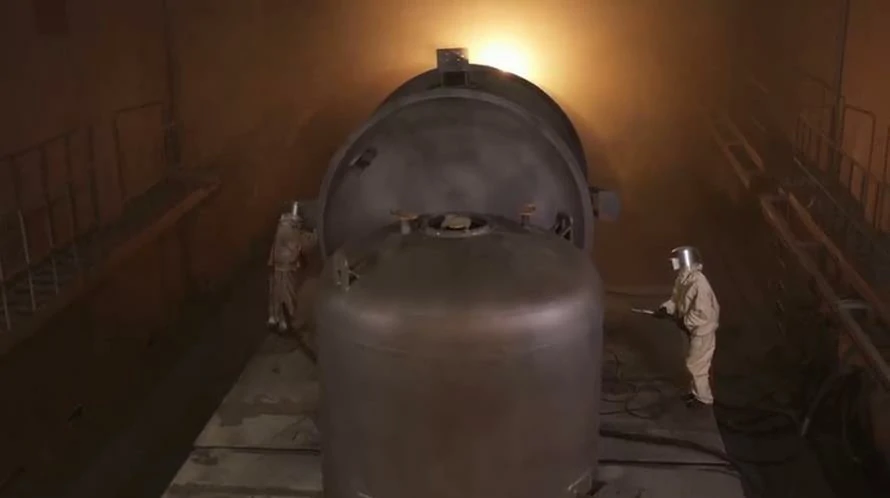
sandblasting for large fabrications

Once you’ve cut, stretched, shrank, and welded your metal, the final basic sheet metal fabrication step is to finish your project. Adding a finish to your metal will enable it to last longer and perform better. Three common finishing techniques are:
  • Sandblasting– This involves shooting sand and other abrasives against your sheet metal at a high velocity. Sandblasting creates a matte texture on your sheet metal and is often used to prepare metal for coating.
  • Buff polishing – This finish is created by using a cloth wheel to buff the surface of the metal. If you want your metal project to shine, then buff polishing is likely the technique for you.
  • Metal plainting/coating – Various coats can be applied to your project via chemical baths, which alter the substrate and improve the corrosion resistance and durability (as well as look) of your sheet metal project.

Machining

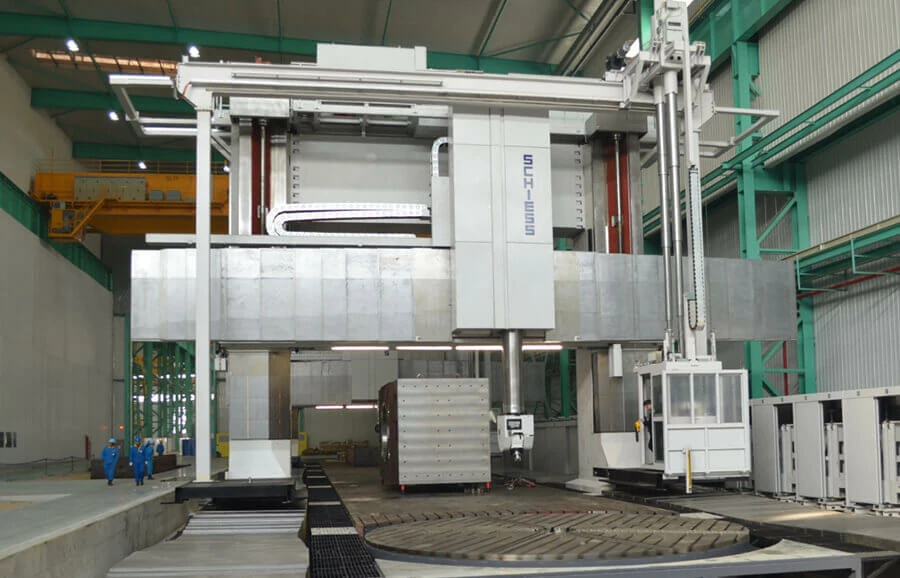
large parts cnc milling

Machining refers to the process of shaping metal by removing the unwanted material from it. This process can be performed in a variety of ways. There are many different machining processes, including drilling, turning, and milling.

  • Drilling - Drilling uses a rotary cutting tool, the drill bit, to cut a hole in the material. The drill bit presses against the metal while being rotated very quickly in order to create a circular hole.
  • Turning - Turning uses a lathe to rotate the metal while a cutting tool moves in a linear motion to remove metal along the diameter, creating a cylindrical shape. The cutting tool can be angled differently to create different shapes. It can be done manually or with a CNC turning machine. CNC machining is generally used when part measurements must be extremely precise.
  • Milling - Milling uses rotating multi-point cutting tools to progressively remove material from the workpiece until the desired shape is achieved. The metal is slowly fed into the rotating cutting tool, or the tool is moved across the stationary metal, or both the workpiece and the tool are moved in relation to each other. The different types of milling include face milling, plain milling, angular milling, climb milling, and form milling.

Machines used in sheet metal fabrication

Machines and Tools are Used in Sheet Metal Fabrication

  • Sheet Shearing Machine
  • Laser/ Plasma cutting machine
  • Press Brake
  • Hydraulic Press
  • Punch Press
  • Shearing Press
  • plate rolling machine
  • Welding tools
  • Profile Rolling Machine
  • Lathe Machine
  • Grinding Machine
  • Drilling Machine
  • Machining Center
  • Sand Blasting Machine
  • Pickling and Surface treatment
  • Spray/ Powder Paint Shop
  • Paint Baking oven
  • NDT equipment
  • CMMs
  • Others

Conclusion

Sheet metal fabrication is a very broad subject area and uses many tools, machines and joining processes. Sheet metal workers fabricate, assemble, alter and install a variety of sheet metal products. Typical jobs performed by a sheet metal worker include HVAC (Heating, Ventilation and Air Conditioning) ductwork, industrial sheet metal work and residential sheet metal work as well as aviation construction. This guide provides a basic understanding of sheet metal fabrication, metal material types, different methods, and machines used of sheet metal fabrication.


About Openex

Openex specializes in fabricated metal safety products and steel welding products that are built to fit your industry needs. We are a leading manufacturer of fabricated components for numerous industries including mining&engineering, oil&gas, automotive, aerospace, energy, construction, etc. With our state-of-the-art equipment and our years of experience, Openex can take your design from prototype to production in the time you need and the quality you expect.

Contact us at sales3@openex.com.cn or call us at +86 186 5928 0806 for more information about fabrication for your industry and to receive a free project quote today.

About Openex

Openex is home to a full-service, one-stop-shop, contract manufacturing company producing custom large machined parts and fabrications. Our full large fabrication services including large machining, cutting, welding, rolling, punching, braking, testing, painting, and others.
Know More
envelopephone linkedin facebook pinterest youtube rss twitter instagram facebook-blank rss-blank linkedin-blank pinterest youtube twitter instagram