
Tube sheets are integral components in the construction of heat exchangers, playing a crucial role in the efficient transfer of heat between two fluid streams. Whether you're a seasoned engineer or a DIY enthusiast, understanding how to design and fabricate tube sheets is essential for ensuring the performance and longevity of your heat exchanger. In this article, we'll delve into the key aspects of tube sheet design and fabrication to help you master this critical skill.
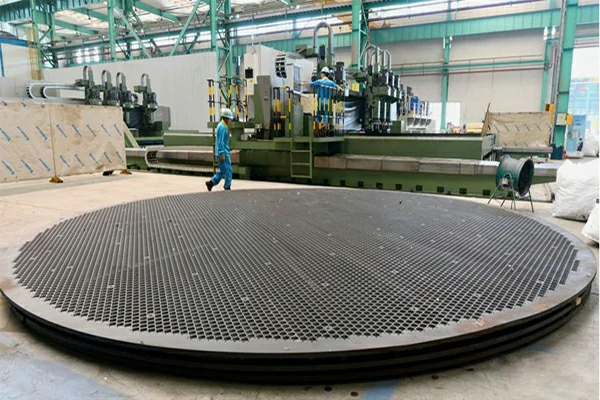
1. Material Selection
The choice of material for your tube sheet is fundamental. Tube sheets are typically made from various materials, including carbon steel, stainless steel, copper, and titanium, depending on the application and the fluids involved. Consider factors such as temperature, corrosion resistance, and mechanical properties when selecting the material. Always consult material compatibility charts and consult with a materials engineer if necessary.
Find more material selecting information by visiting Tips for Selecting the Right Material for Tube Sheets
2. Tube Hole Layout
Accurate tube hole layout is essential to ensure a tight fit between the tubes and the tube sheet. The pitch, or spacing, between the tubes must be calculated to optimize heat transfer while allowing for efficient fluid flow. Use specialized software or consult heat exchanger design guidelines to determine the optimal tube layout.
3. Tube Hole Drilling
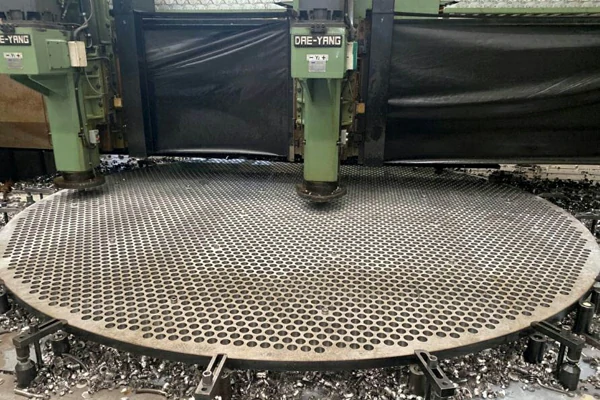
Precision is key when drilling tube holes in the tube sheet. The use of a CNC machine or a drill press with proper fixturing is highly recommended to maintain accuracy. Ensure that the holes are deburred and chamfered to prevent damage to the tubes during installation.
4. Tube Expansion
Tube expansion is the process of mechanically joining the tubes to the tube sheet. This step is critical for creating a secure and leak-free connection. Common methods include roller expansion and hydraulic expansion. The choice of method depends on the tube material, tube sheet material, and the specific requirements of the heat exchanger.
5. Welding and Sealing
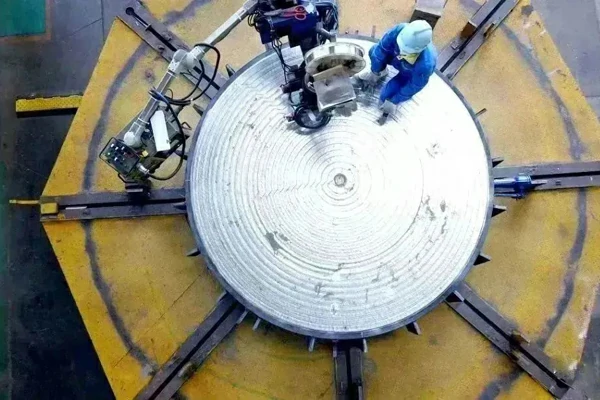
In some cases, tube sheets may require welding for additional strength or sealing purposes. Welding should be performed by certified welders following appropriate welding procedures. Proper post-weld heat treatment may be necessary to relieve residual stresses and ensure the integrity of the tube sheet.
6. Testing and Inspection
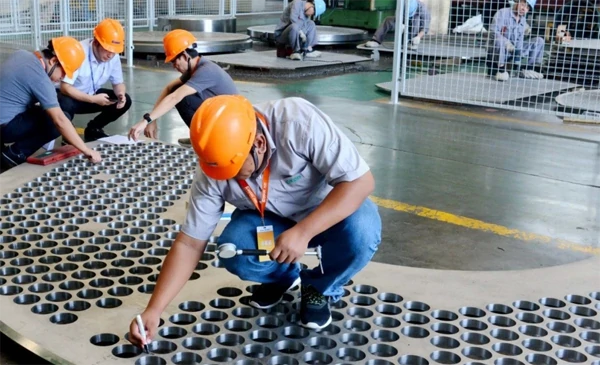
Thorough testing and inspection are crucial to guarantee the quality of the tube sheet. Common tests include hydrostatic testing to check for leaks and non-destructive testing (NDT) methods like ultrasonic testing and radiographic testing to assess the integrity of welds.
7. Corrosion Protection
To prolong the life of your tube sheet, consider implementing corrosion protection measures such as coatings, sacrificial anodes, or corrosion-resistant materials. Regular maintenance and inspection are essential to monitor and address any corrosion issues that may arise over time.
8. Documentation and Compliance
Maintaining detailed documentation of the tube sheet fabrication process is vital for traceability and quality control. Ensure that your design and fabrication processes comply with industry standards and regulations.
Conclusion
Mastering the art of tube sheet design and fabrication is essential for anyone involved in the construction of heat exchangers. Proper material selection, precise hole layout, accurate drilling, secure tube expansion, and thorough testing are the key steps to ensure the performance and reliability of your heat exchanger. By following these guidelines and staying updated on industry best practices, you can create tube sheets that excel in heat transfer efficiency and longevity, contributing to the success of your heat exchanger projects.
If you're ready to embark on your next heat exchanger project or seek expert guidance, don't hesitate to reach out to our experienced team of professionals. We're here to provide you with the support and solutions you need for your tube sheet endeavors.
Start crafting high-performance heat exchangers today, and turn your newfound knowledge into tangible results. Your success is just a click or call away!
Here are some successful tube sheet project cases we've delivered:
- Successful Delivery of Custom-Made Tube Sheets: Project Case
- Delivering High-Quality ASME Tube Sheets and Baffles: A Project Case Study
- Supplying 680 Tube Sheets and Baffles for Petrochemical Equipment:Case Study
- Custom Tube Sheets and Baffles Supply for EO Reactor: Case Study
- Case Study: Custom Surfacing Tube Sheets for Boilers Delivered to Japan
- Project Case: Custom Duplex Stainless Steel Tube Sheets and Baffles Supply in Large Volumes
- Custom-Made Stainless Steel Tube Sheets for the Refrigeration System of Food Plant